World War II
1941
World War I
German Panzer III N
The Panzer III Ausf. N was the final major production variant of Germany's Panzer III medium tank. Equipped with the short-barreled 7.5 cm KwK 37 L/24 gun previously used on early Panzer IV tanks, it was intended to provide close fire support for armored formations while newer Panzer IVs assumed the primary anti-tank role. The Ausf. N served effectively alongside Tiger I heavy tanks and remained in frontline service until the final years of the war.

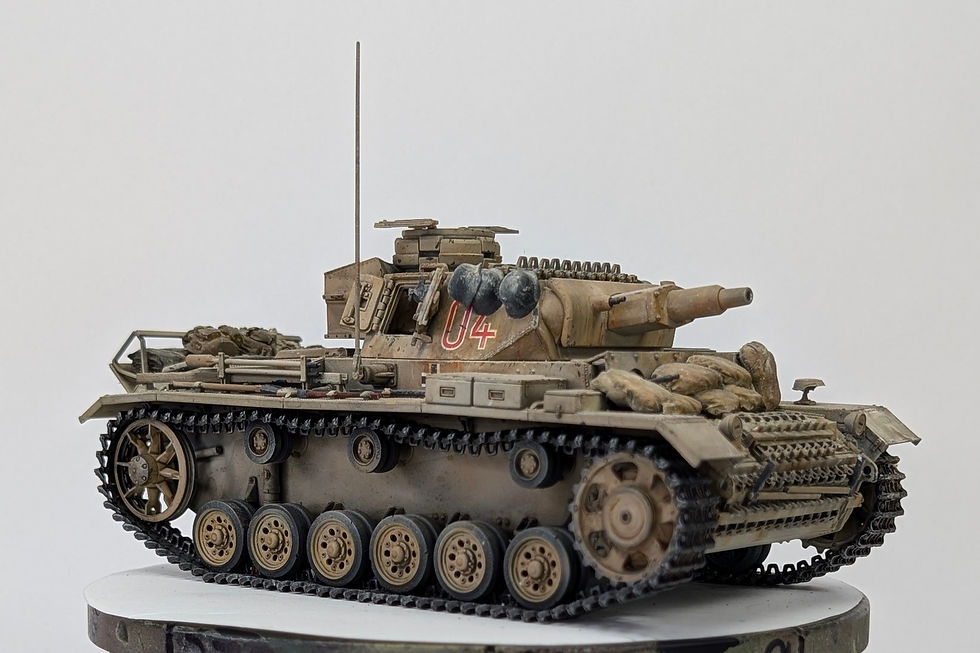

As the Panzer III chassis reached the limits of its development, German planners reassigned the vehicle to an infantry support role. The installation of the 75 mm low-velocity gun greatly improved its effectiveness against fortified positions and infantry while retaining adequate capability against lightly armored vehicles. Additional armor and other battlefield improvements enhanced survivability, but the design could no longer compete with increasingly powerful Allied medium tanks. Production concluded in 1943 as the Panzer III chassis became primarily dedicated to the highly successful StuG III assault gun.
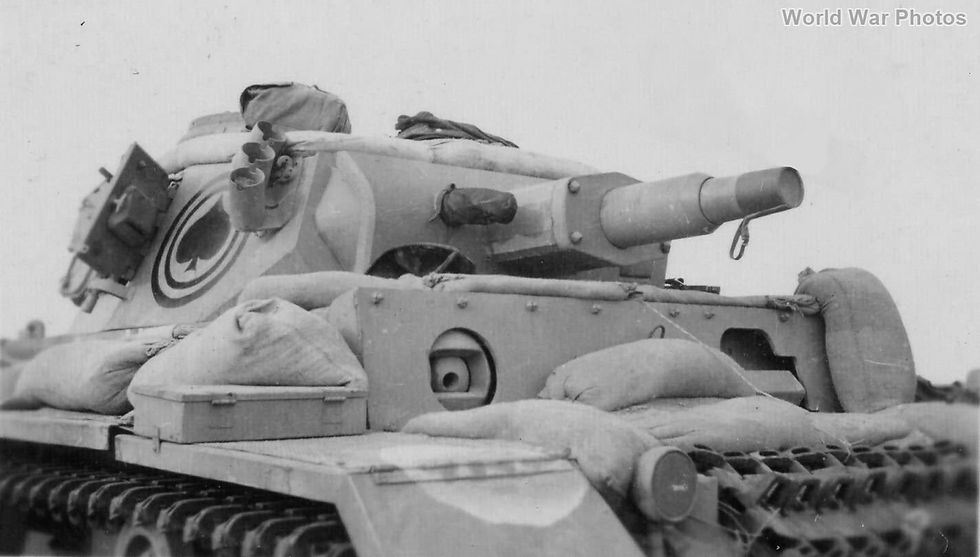

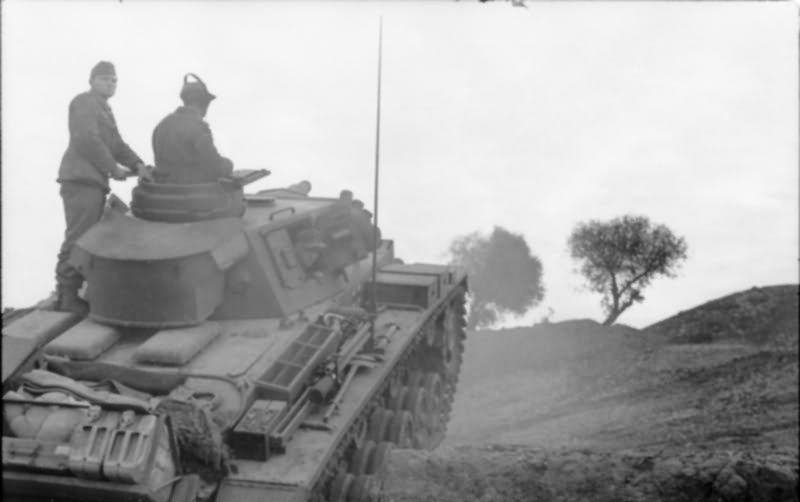
Historcial and Walkaround Photos
German Tiger I
The Tiger I was Germany's first operational heavy tank and became one of the most feared armored vehicles of the Second World War. Introduced in 1942, it combined exceptionally thick armor with the highly effective 8.8 cm KwK 36 L/56 gun, enabling it to destroy most Allied tanks at ranges where it remained largely immune to return fire. The Tiger served on every major front and established a formidable battlefield reputation despite its relatively small production numbers.

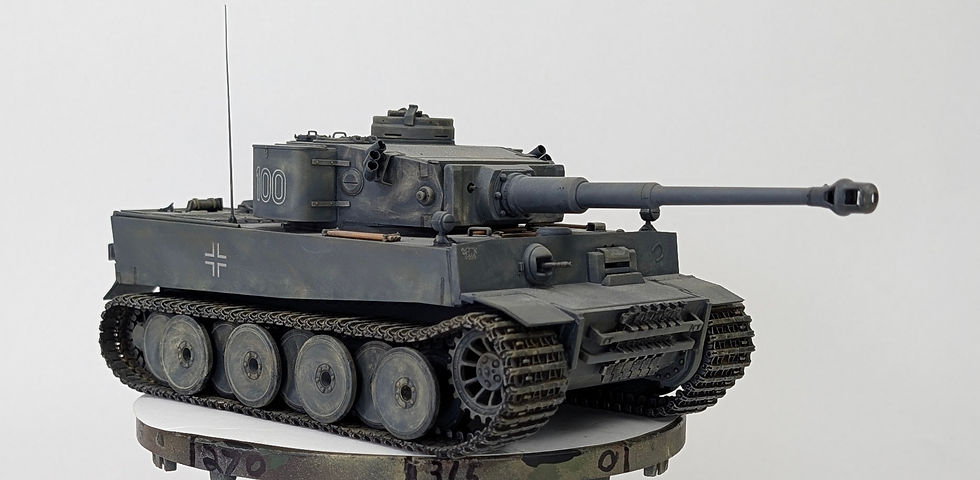

Development of the Tiger began after German forces encountered heavily armored British and Soviet tanks that exceeded the capabilities of existing German designs. Engineers produced a heavily armored vehicle incorporating the proven 88 mm anti-aircraft gun into a fully rotating turret mounted on a sophisticated torsion-bar suspension. Although the Tiger possessed outstanding firepower and protection, its complexity, high manufacturing cost, and demanding maintenance requirements limited production to approximately 1,350 vehicles. Nevertheless, the Tiger became one of the most iconic tanks of the war and influenced heavy tank development for years afterward.
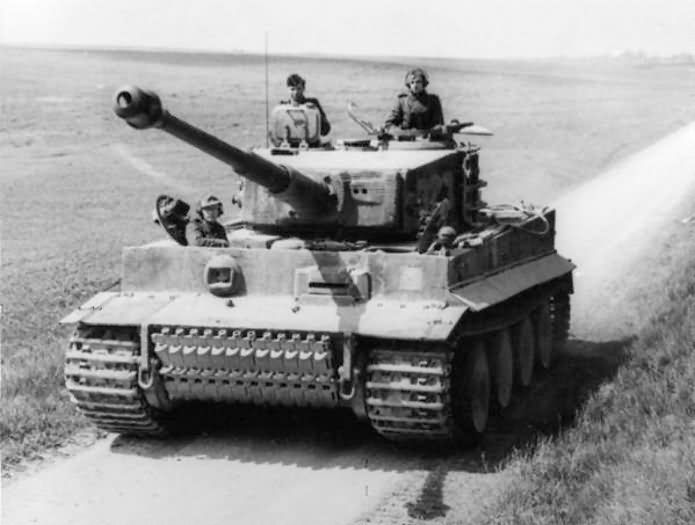


Historcial and Walkaround Photos
Soviet T-70
The T-70 was a Soviet light tank introduced in 1942 to supplement production of the T-34 medium tank. Armed with a 45 mm gun and powered by twin automotive engines, it combined good mobility with improved armor compared to earlier Soviet light tanks. The T-70 served as a reconnaissance vehicle, infantry support tank, and light combat vehicle throughout the Eastern Front before gradually transitioning to secondary roles as the war progressed.
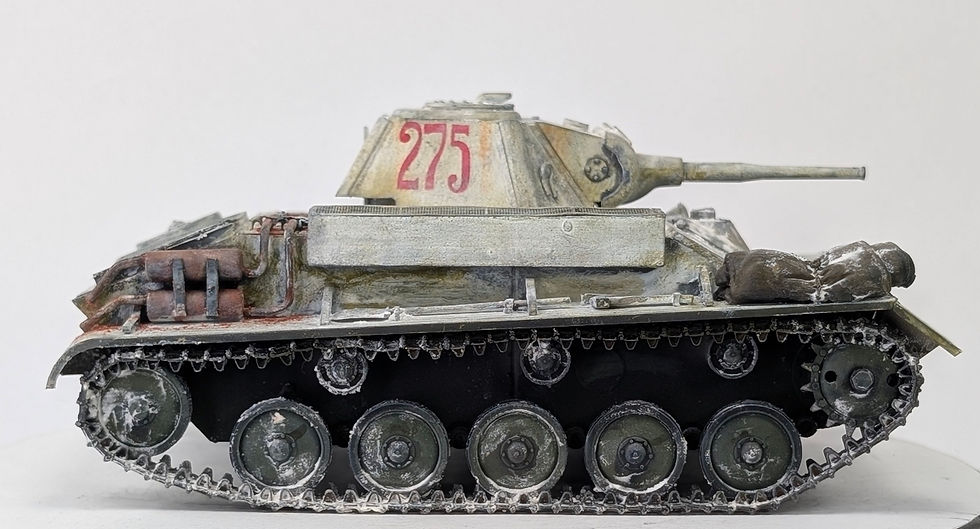

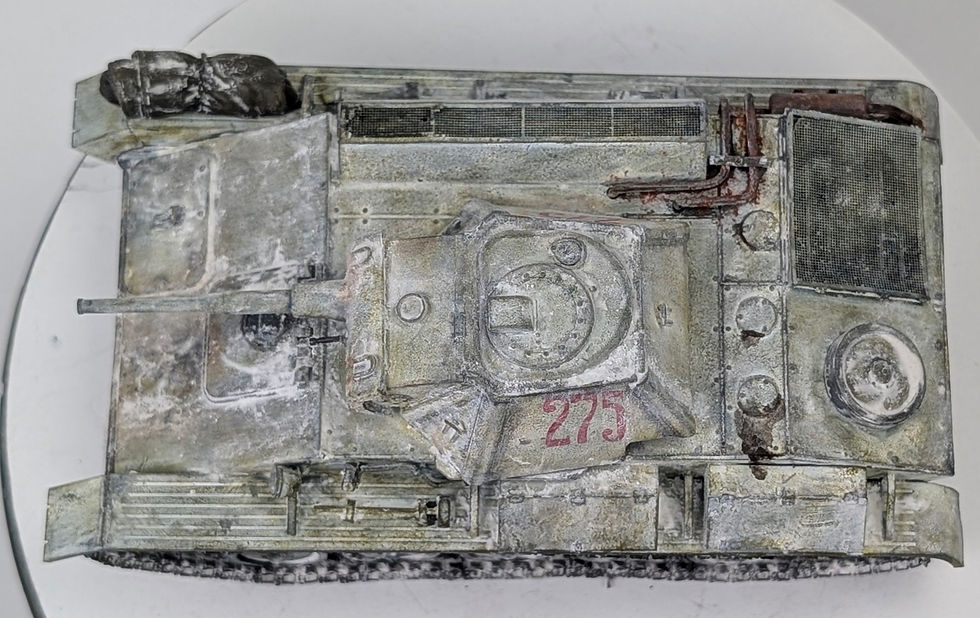
The T-70 was developed as the successor to the T-60 light tank, incorporating thicker armor, a larger turret, and a more powerful 45 mm cannon. Designed for rapid and economical production, it used many automotive components to simplify manufacturing. Although the vehicle proved reliable and mobile, its two-man crew placed excessive demands on the commander, who also served as gunner. Combat experience led Soviet designers to discontinue light tank development in favor of more capable medium tanks, while the T-70 chassis was adapted into the highly successful SU-76 self-propelled gun.
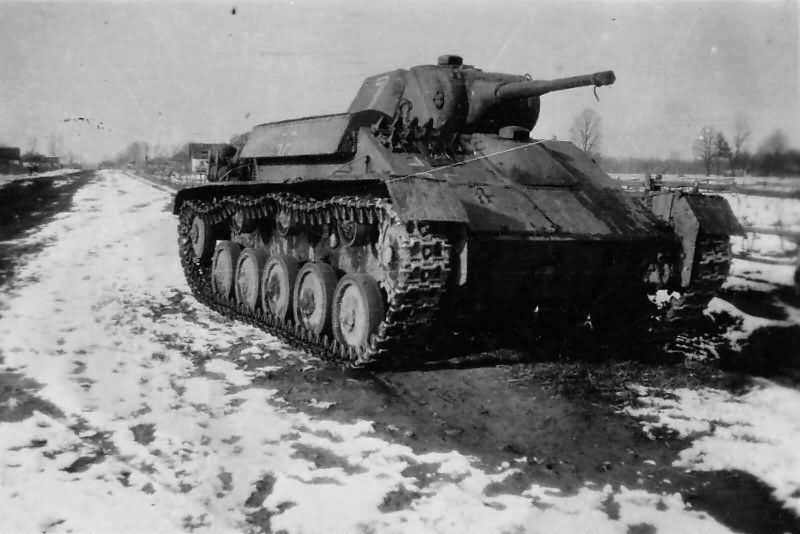
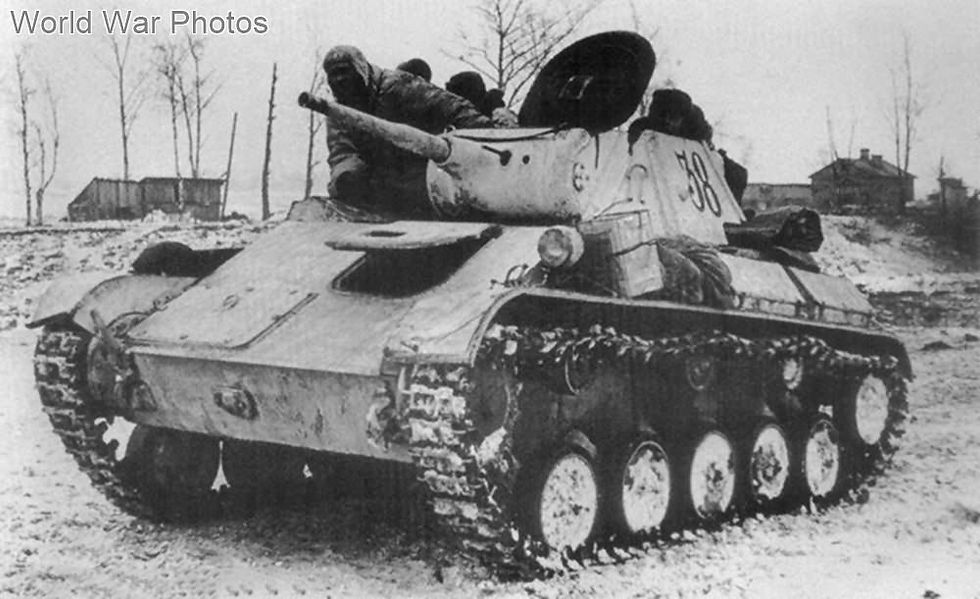
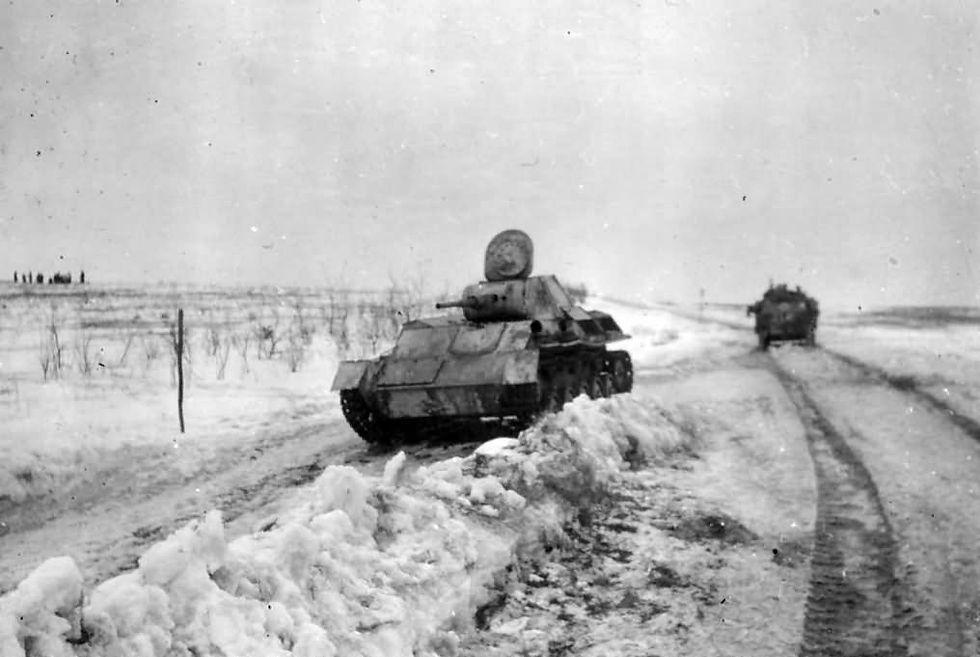
Historcial and Walkaround Photos
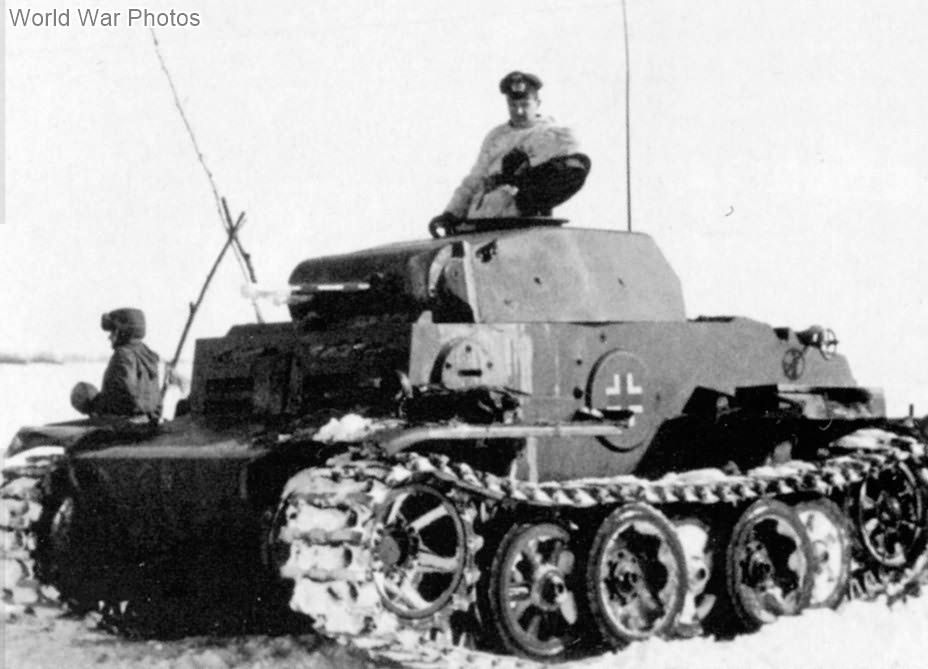
German Panzer II J
The Panzer II Ausf. J was a heavily armored reconnaissance tank developed as an experimental assault version of the Panzer II. Unlike earlier models that emphasized speed and mobility, the Ausf. J sacrificed performance for exceptionally thick armor, making it highly resistant to enemy anti-tank weapons. Produced in very limited numbers, it served primarily in specialized reconnaissance and security roles on the Eastern Front.

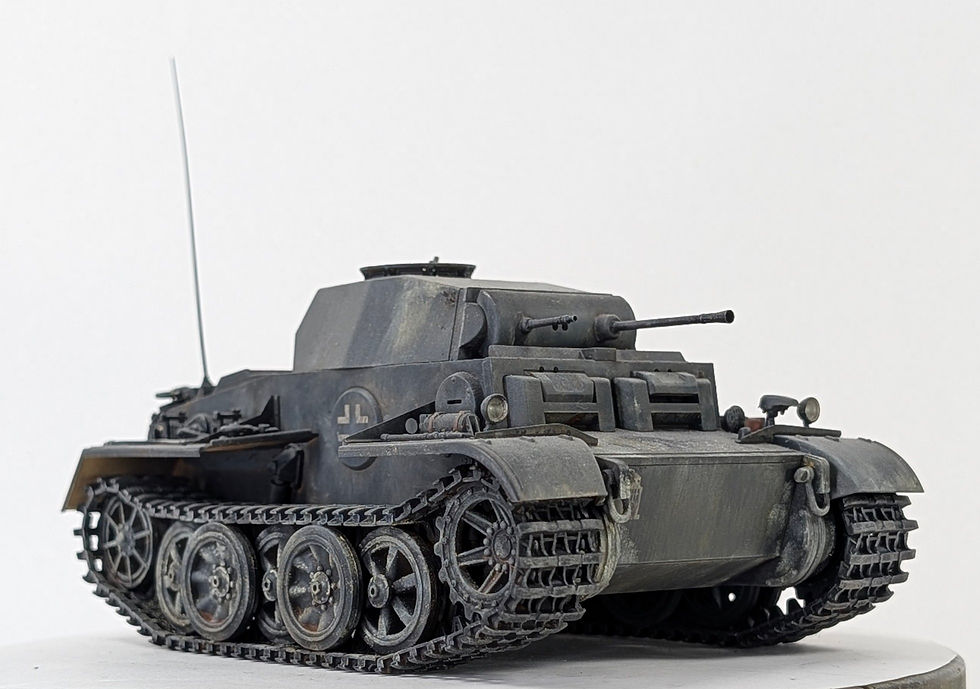
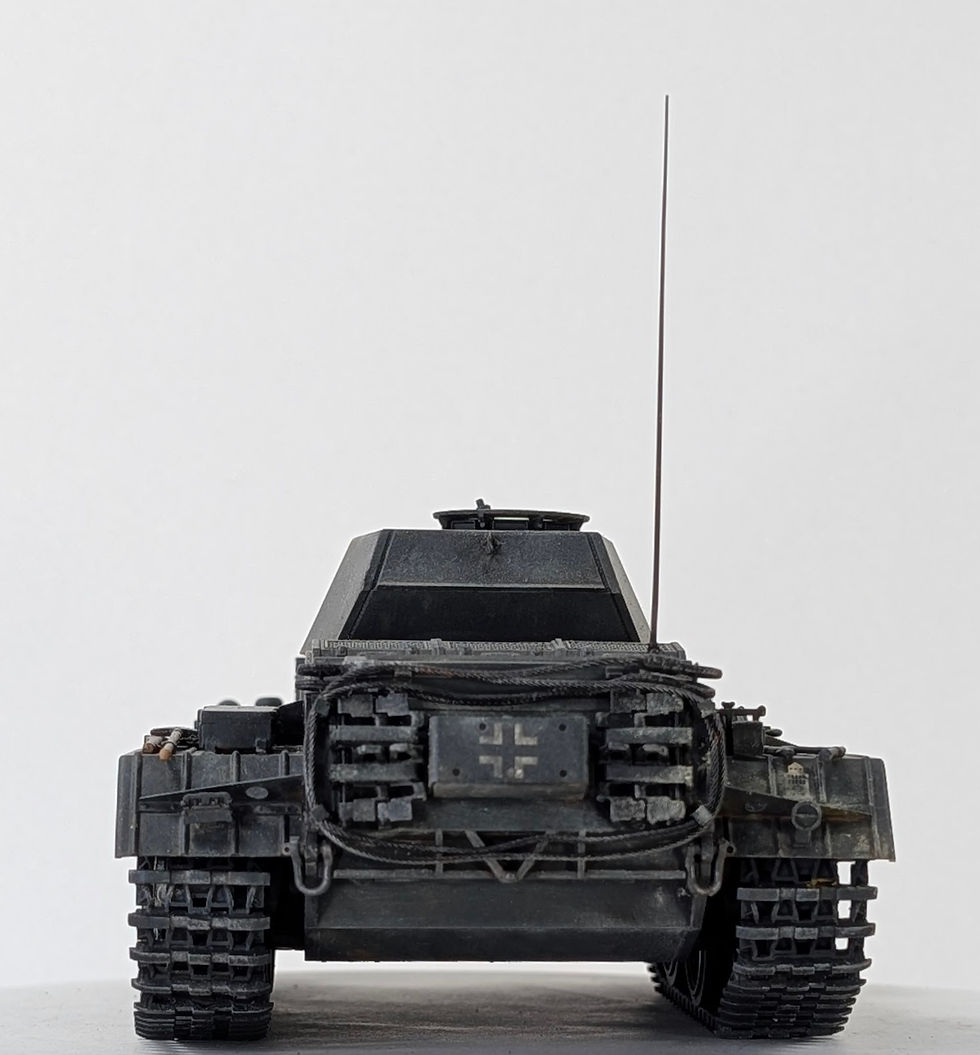
The Ausf. J was developed to evaluate the concept of a heavily protected reconnaissance vehicle capable of operating in hostile environments. Engineers significantly increased the armor thickness while retaining the standard 20 mm main gun, resulting in a vehicle whose mobility was substantially reduced. Only a small production run was completed, as combat experience demonstrated that heavier armor could not compensate for inadequate firepower. The project was ultimately abandoned in favor of more balanced armored vehicle designs.
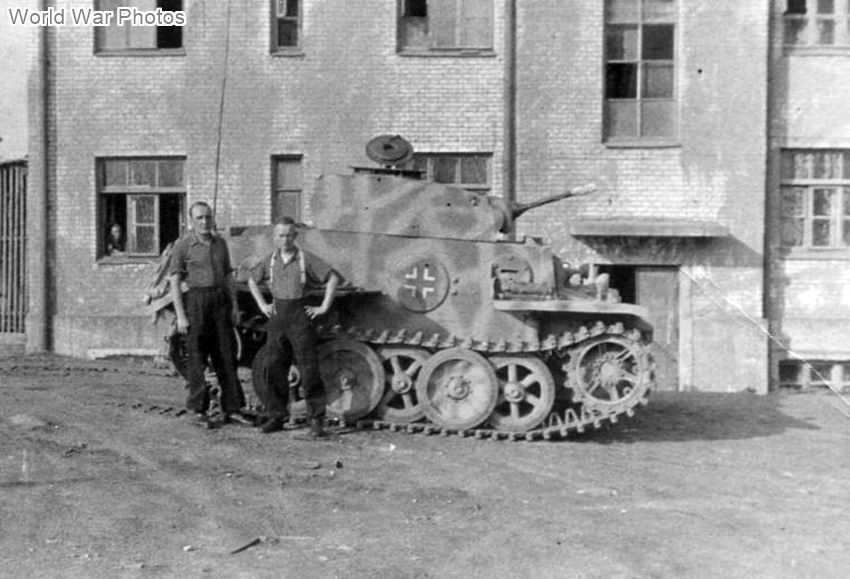
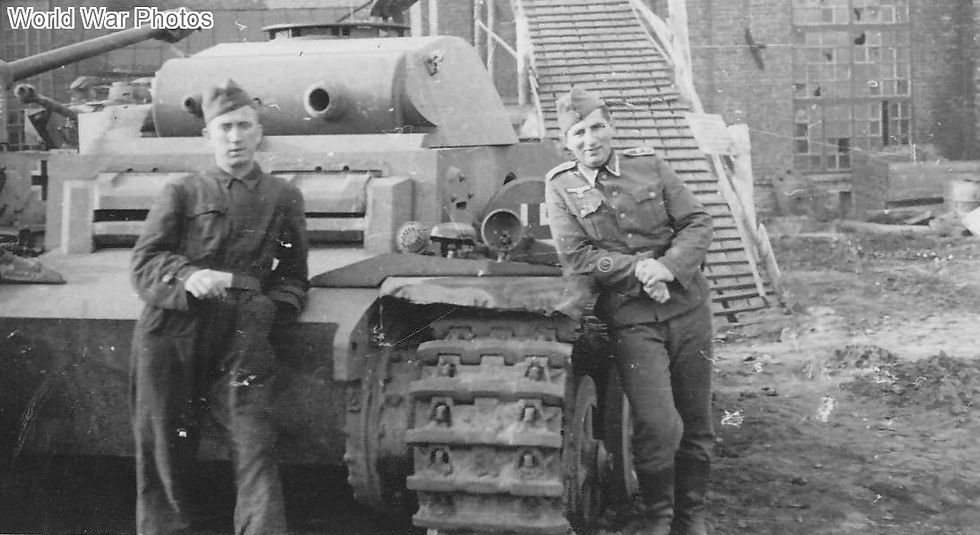
Historcial and Walkaround Photos
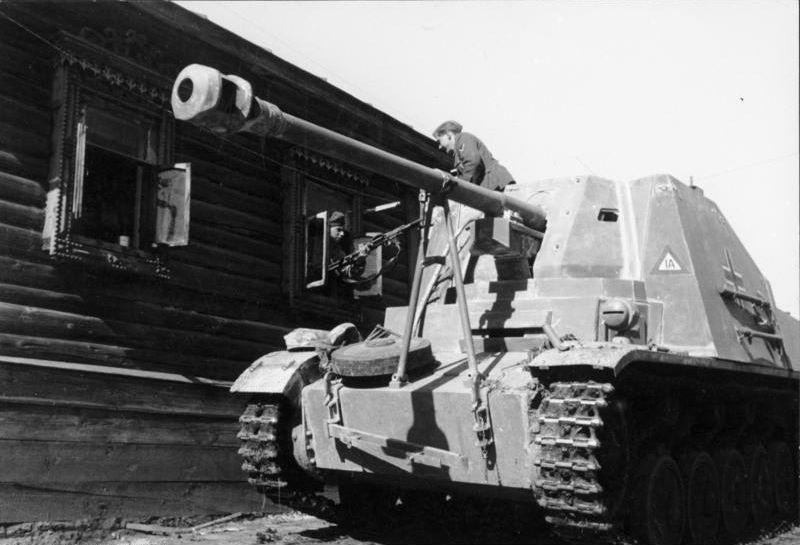
German Marder II
The Marder II was a German self-propelled tank destroyer developed to provide frontline units with a mobile and effective anti-tank weapon. Built on the chassis of the Panzer II light tank, it mounted either the captured Soviet 76.2 mm field gun or the German 7.5 cm PaK 40 anti-tank gun in an open-topped fighting compartment. Entering service in 1942, the Marder II significantly improved Germany's ability to counter increasingly well-armored Soviet tanks while remaining fast enough to support advancing armored formations.


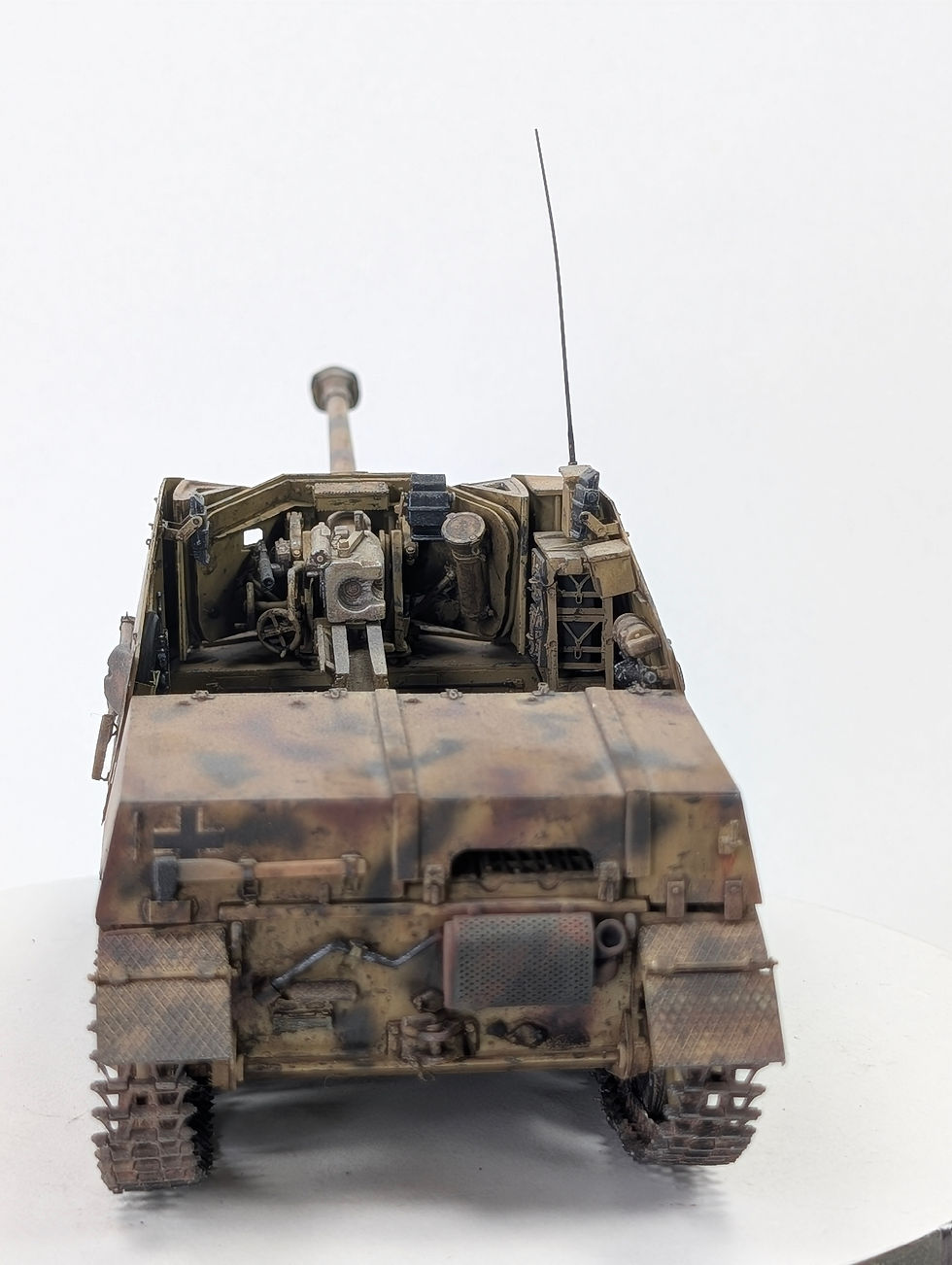
Following the German invasion of the Soviet Union, the Wehrmacht urgently required more powerful anti-tank weapons capable of defeating the T-34 and KV-1. Rather than wait for new tank designs, engineers adapted obsolete Panzer II chassis to carry larger anti-tank guns. Although the open fighting compartment provided limited protection for the crew, the Marder II offered an effective combination of mobility and firepower. It served until more heavily armored tank destroyers such as the Jagdpanzer series became available.


Historcial and Walkaround Photos
German Marder III
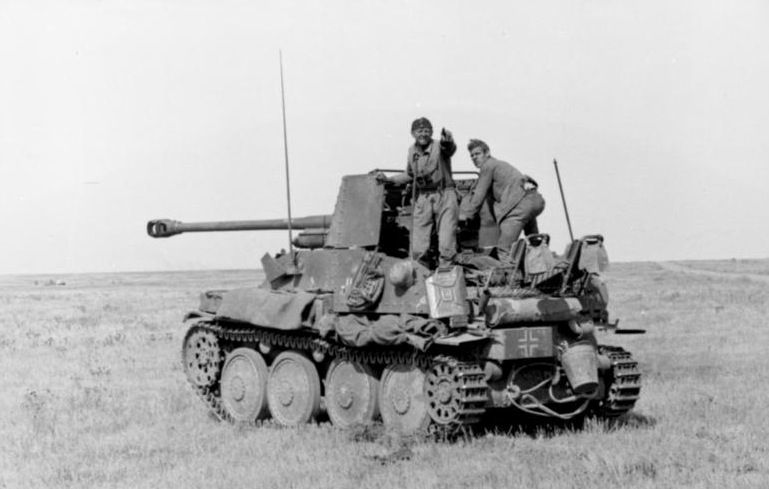
The Marder III was one of Germany's most successful early self-propelled tank destroyers, utilizing the reliable Czech-built Panzer 38(t) chassis. Armed with either captured Soviet 76.2 mm guns or the highly effective German 7.5 cm PaK 40, it provided German forces with a mobile weapon capable of engaging virtually any Allied tank encountered during the middle years of the war. The Marder III served extensively on both the Eastern and Western Fronts.


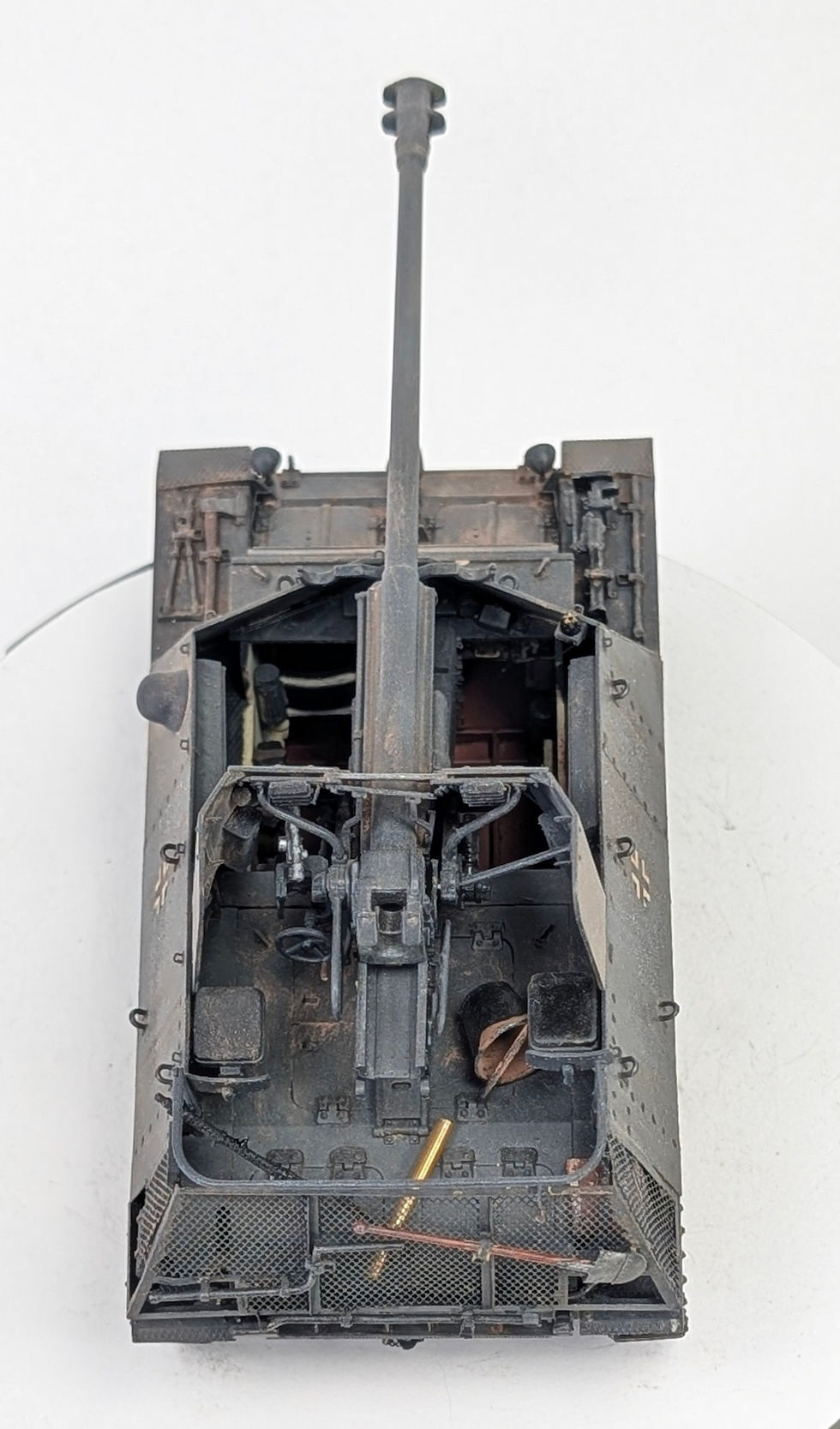
The dependable Panzer 38(t) chassis proved an ideal platform for conversion after it became obsolete as a frontline tank. Engineers removed the turret and installed a powerful anti-tank gun within an open-topped armored superstructure, producing a relatively simple and economical vehicle. While its high profile and limited crew protection remained disadvantages, the Marder III successfully filled Germany's urgent need for mobile anti-tank firepower. Its proven chassis later formed the basis of the Jagdpanzer 38 "Hetzer."


Historcial and Walkaround Photos
German StuG III G
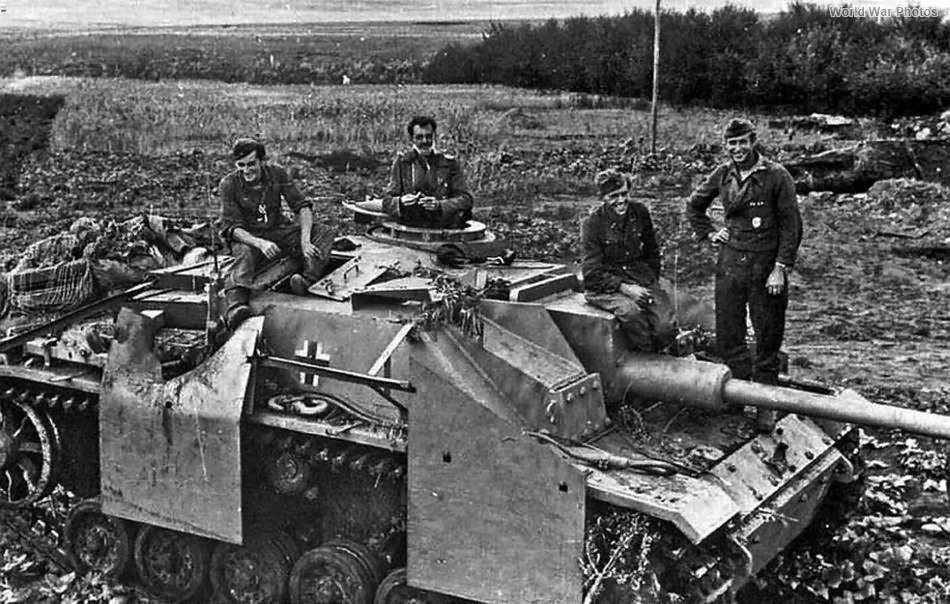
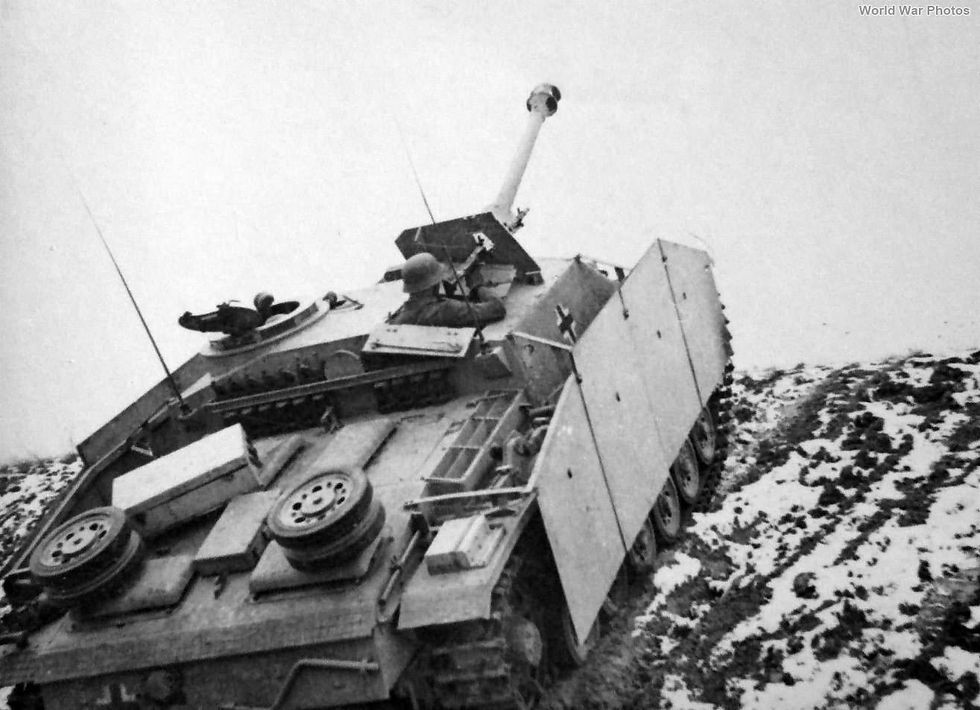
The StuG III Ausf. G was the final and most numerous production version of Germany's highly successful Sturmgeschütz III assault gun. Initially designed to support infantry, the vehicle evolved into one of the Wehrmacht's most effective tank destroyers after being equipped with the long-barreled 7.5 cm StuK 40 gun. Combining a low silhouette, strong frontal armor, and reliable Panzer III chassis, the StuG III G became one of Germany's most valuable armored fighting vehicles during the latter half of the war.
Introduced in late 1942, the Ausf. G incorporated numerous improvements based on battlefield experience, including thicker armor, an improved commander's cupola, and enhanced protection against infantry attacks. Production was simplified to maximize output, allowing more than 8,000 examples to be built. The combination of powerful anti-tank firepower, mechanical reliability, and relatively low production cost made the StuG III G one of Germany's most successful armored vehicle designs, serving effectively on every major front until the end of the war.

Historcial and Walkaround Photos
German Sturer Emil
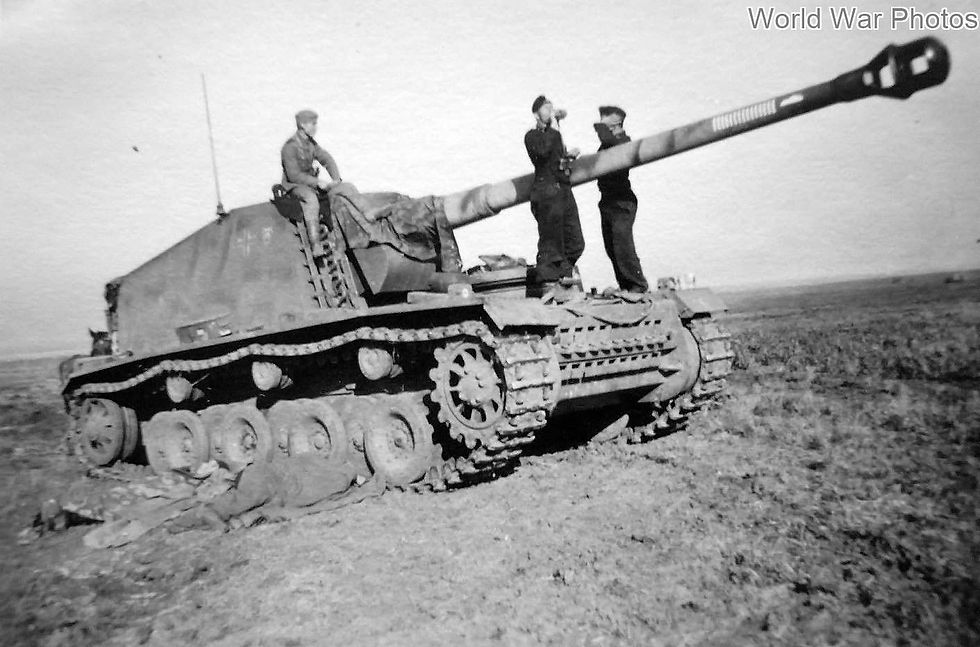
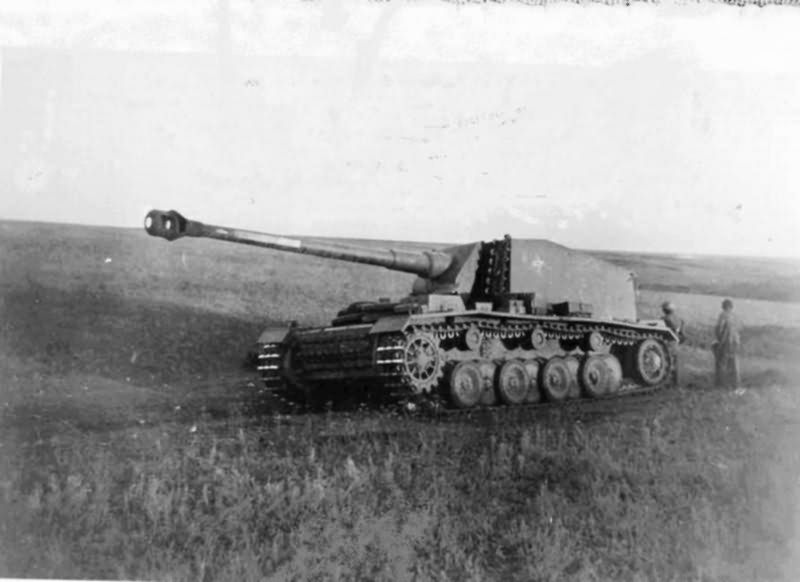
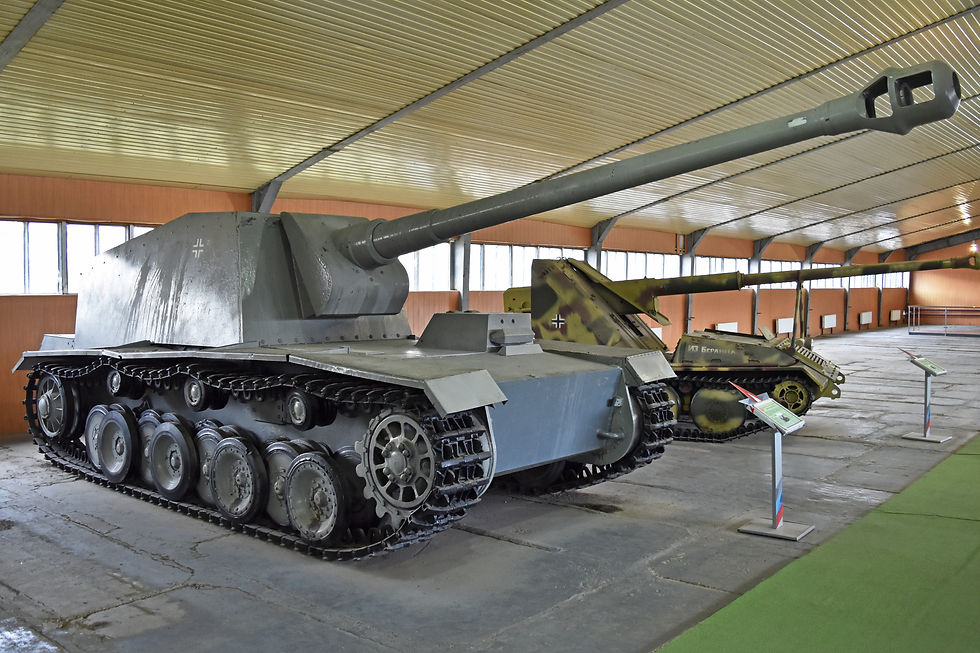
The Sturer Emil ("Stubborn Emil") was an experimental German heavy tank destroyer designed to destroy heavily armored enemy tanks at extreme range. Built on an extended VK 30.01(H) chassis and armed with a powerful 12.8 cm Kanone 40 L/61 gun, it possessed exceptional firepower capable of penetrating any Allied tank of its time. Only two prototypes were constructed, both of which saw combat on the Eastern Front during 1942.

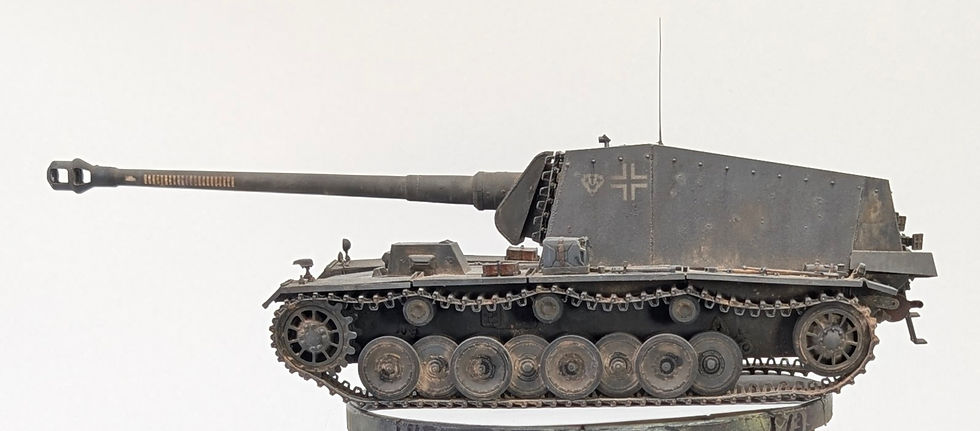
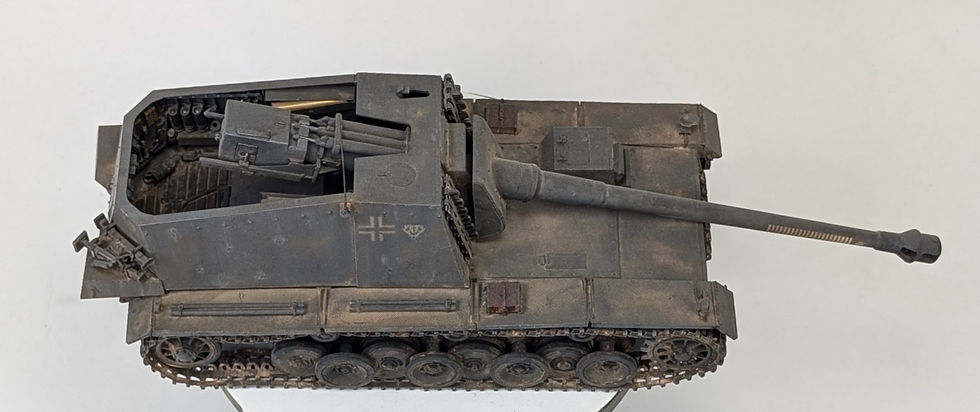
Originally conceived to support the planned invasion of Britain by attacking fortified positions, the Sturer Emil project was redirected toward long-range anti-tank operations after Operation Sea Lion was cancelled. Engineers mounted the massive 128 mm gun in a large open-topped fighting compartment, creating a vehicle with unmatched firepower but limited mobility and ammunition capacity. Although combat trials demonstrated the weapon's effectiveness, excessive weight and mechanical complexity prevented the design from entering production.
Historcial and Walkaround Photos
German 7.62 cm F.K. 36(r) Sd.Kfz.6/3
The Semovente da 90/53, commonly known by its German nickname "Diana," was one of Italy's most powerful self-propelled anti-tank vehicles. Mounted on the chassis of the M14/41 medium tank, it carried the highly effective 90 mm Model 1939 anti-aircraft gun, which proved capable of defeating virtually every Allied tank encountered in North Africa. Despite its impressive firepower, only a small number were produced due to Italy's limited industrial capacity.


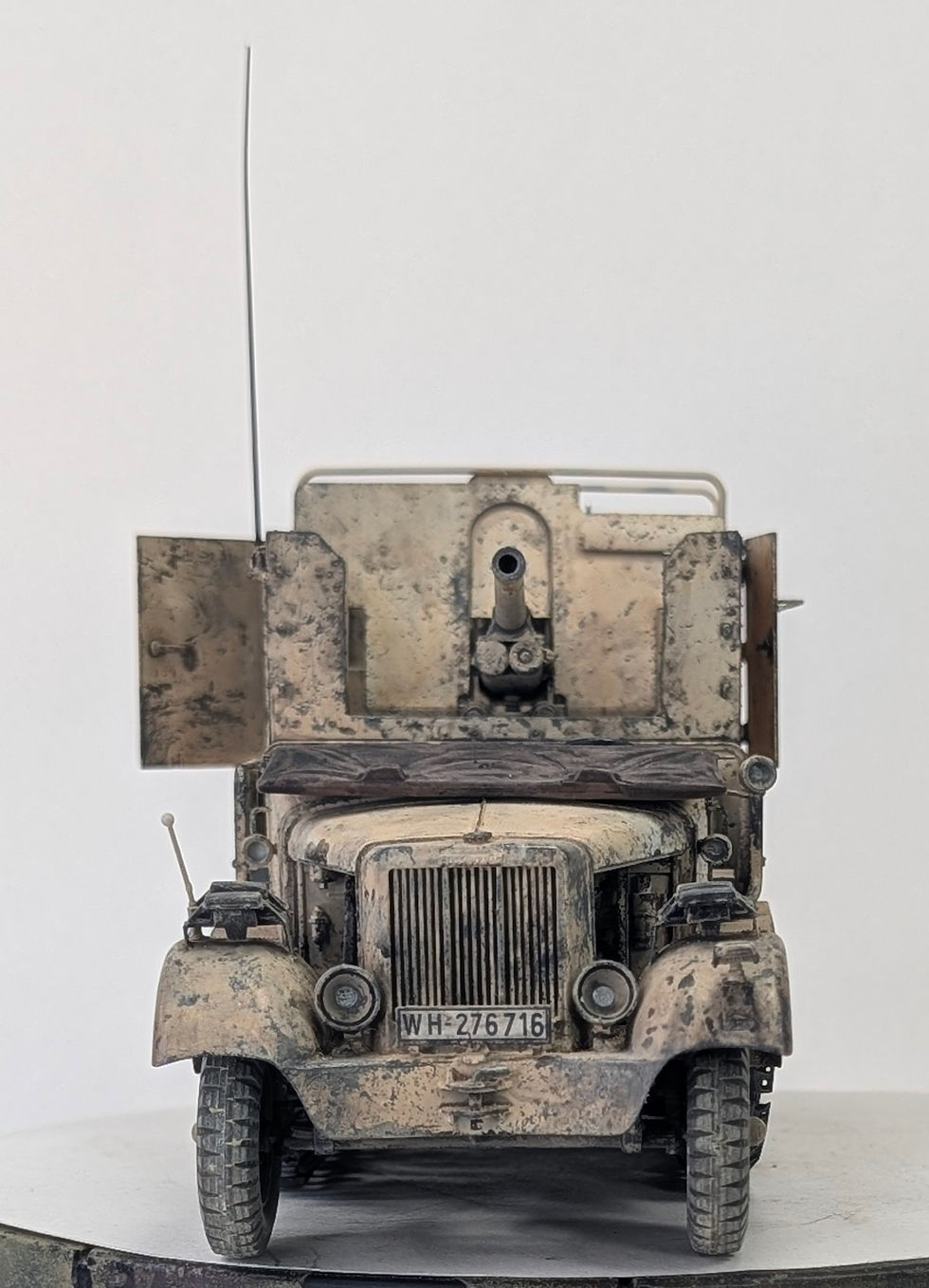
Recognizing the anti-tank potential of the 90 mm anti-aircraft gun, Italian engineers adapted it to the M14/41 chassis by replacing the turret with an open-topped fighting compartment. The resulting vehicle possessed exceptional long-range firepower but carried limited onboard ammunition, requiring an accompanying ammunition carrier during combat. Although highly respected by both Italian and German crews, production remained limited, and surviving vehicles were eventually absorbed into German service following Italy's armistice in 1943.

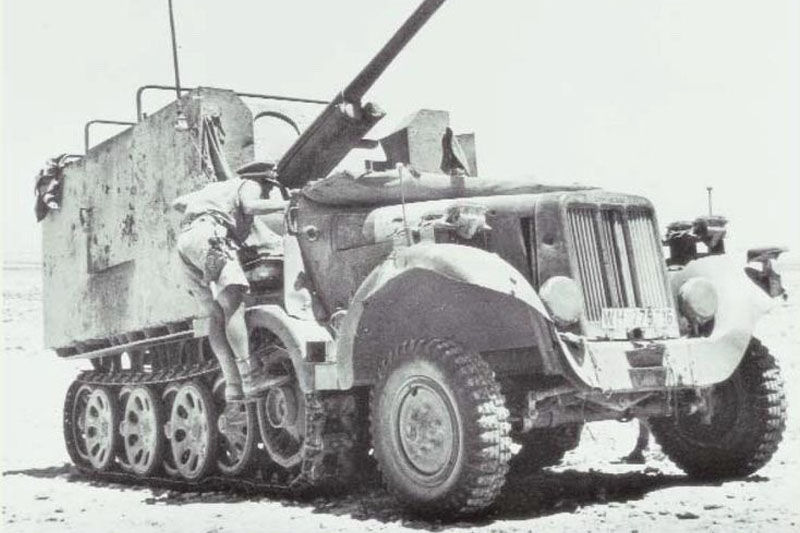
Historcial and Walkaround Photos
American M10 Wolverine
The M10 Wolverine was the United States Army's first widely produced fully tracked tank destroyer. Built on a modified M4 Sherman chassis and armed with the high-velocity 3-inch M7 gun, it combined mobility, reliability, and effective anti-tank firepower. Entering combat in 1943, the M10 served with American, British, Free French, and other Allied forces in Europe and the Mediterranean, where it proved capable of engaging most German armored vehicles encountered during the war.


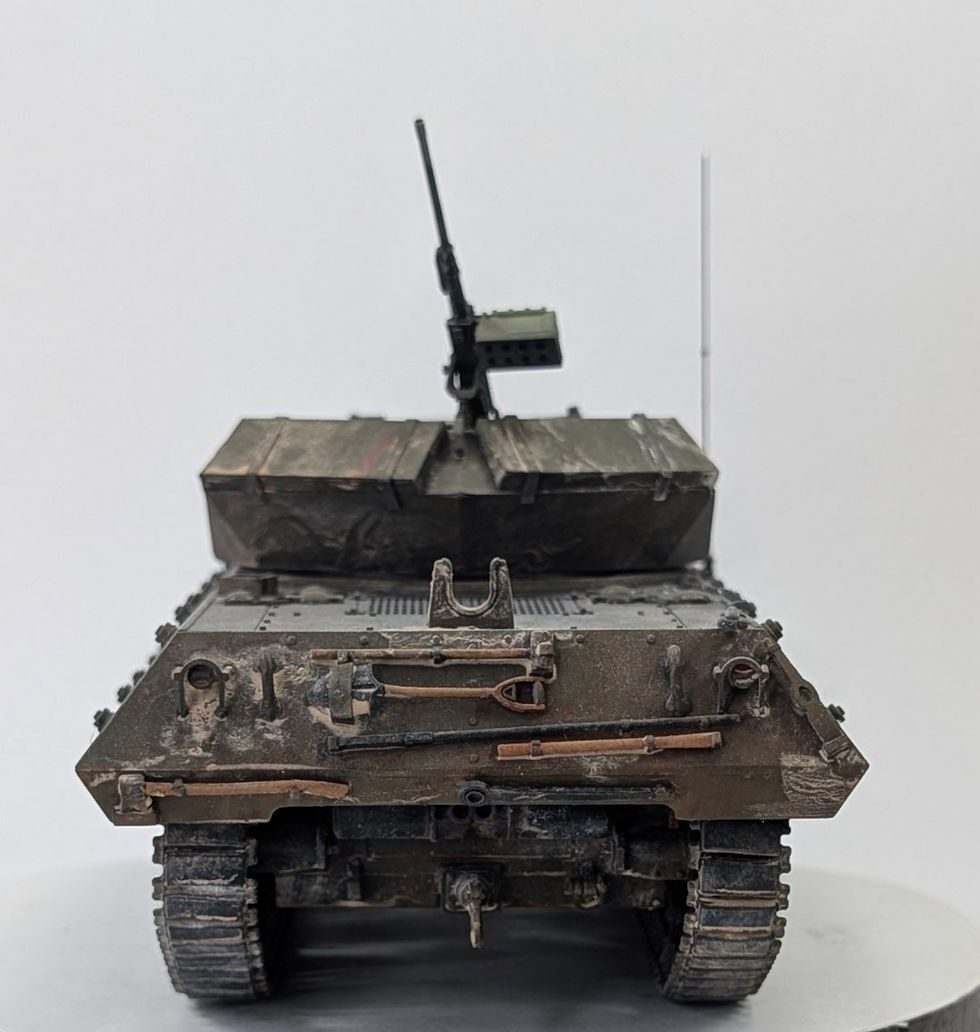
The M10 was developed under the U.S. Army's tank destroyer doctrine, which emphasized fast, mobile vehicles capable of countering concentrated enemy armored attacks. Engineers modified the Sherman chassis with sloped armor and an open-topped turret to reduce weight while mounting the powerful 3-inch gun. Although the open turret left the crew vulnerable to artillery fragments and small-arms fire, it provided excellent visibility and rapid target acquisition. The M10 formed the basis for later American tank destroyers, including the more heavily armed M36 Jackson.

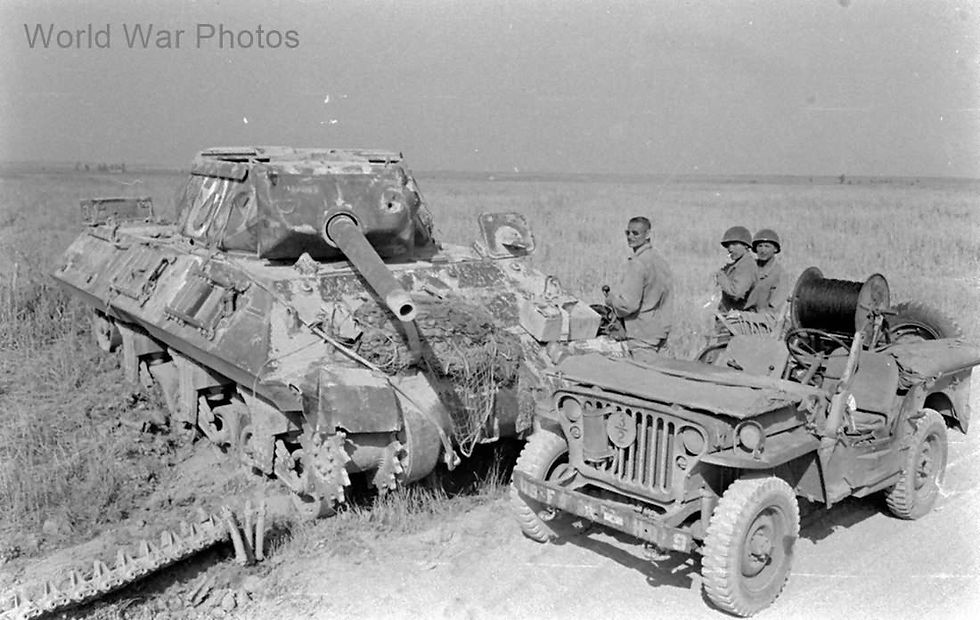

Historcial and Walkaround Photos
German Marder I auf Lorraine 37L
The Marder I auf Lorraine 37L was a German self-propelled tank destroyer created by converting captured French Lorraine 37L armored supply tractors into mobile anti-tank vehicles. Equipped with the powerful 7.5 cm PaK 40 gun, it provided German forces with an effective means of combating increasingly well-armored Allied tanks. The vehicle served primarily on the Eastern Front and later in France, where it supported defensive operations following the Allied invasion.
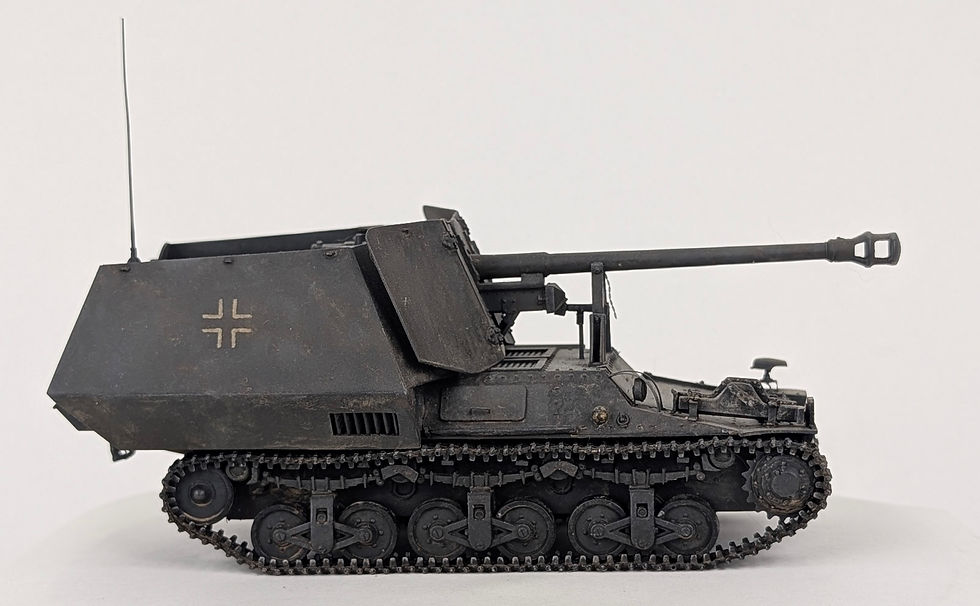


Following the 1940 campaign in France, Germany captured hundreds of Lorraine 37L tracked carriers. Rather than leave these vehicles unused, engineers removed the cargo compartment and installed an open-topped armored superstructure housing the 7.5 cm PaK 40 anti-tank gun. The conversion was relatively simple and made excellent use of reliable captured equipment. Although lightly protected, the Marder I successfully extended the operational life of the Lorraine chassis while providing valuable mobile anti-tank capability.