World War II 1943
World War I
German Marder III M
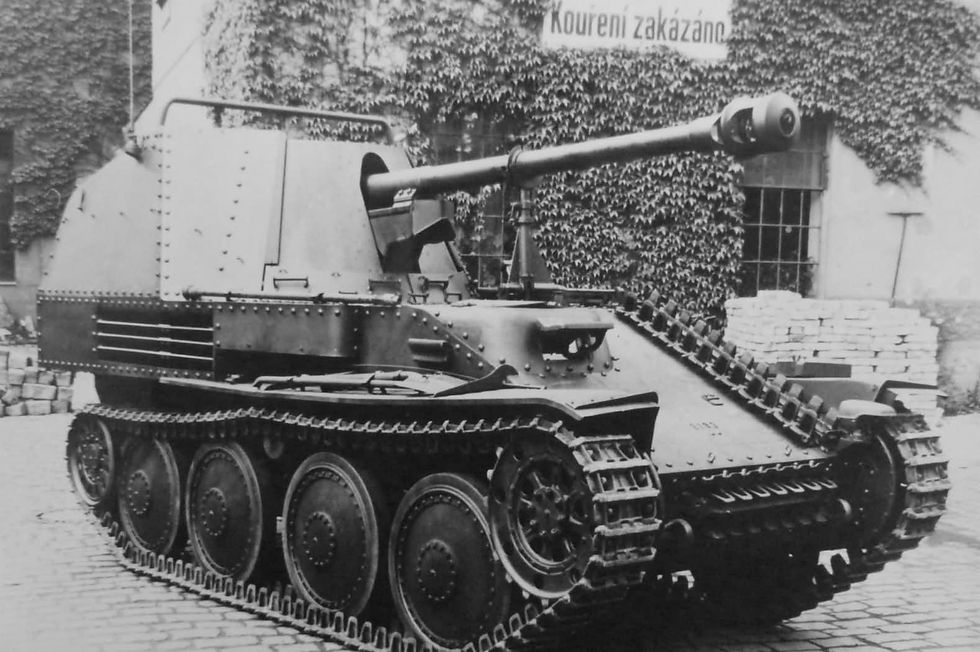
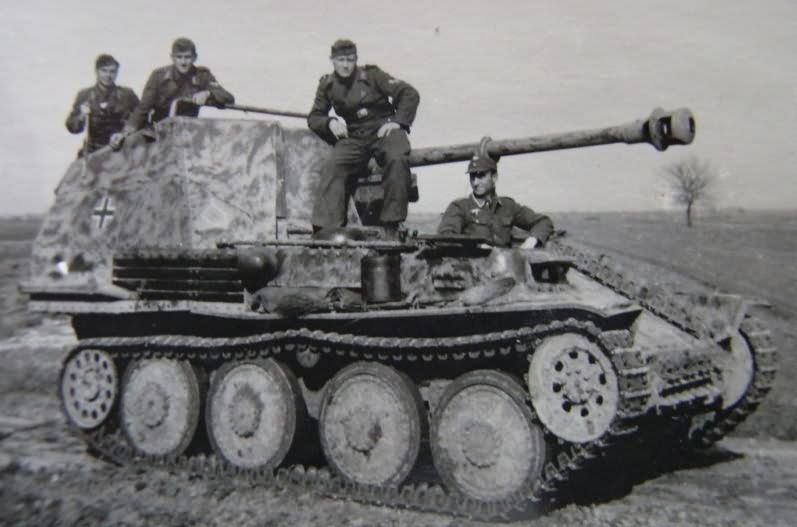
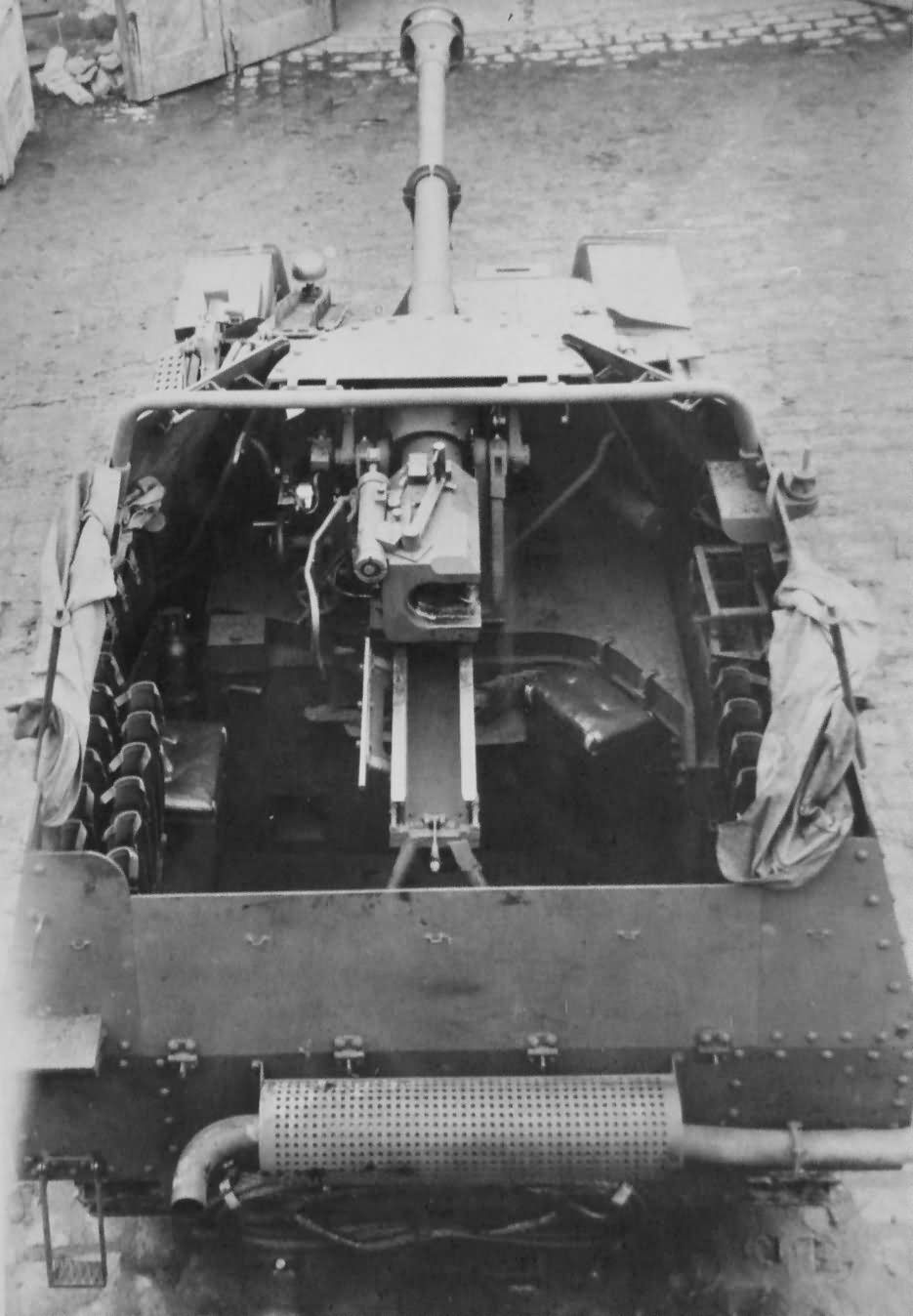
The Marder III Ausf. M was the final and most refined version of Germany's Marder III tank destroyer series. Built on the dependable Panzer 38(t) chassis, it mounted the powerful 7.5 cm PaK 40 anti-tank gun in a rear-mounted, open-topped fighting compartment. The improved layout lowered the vehicle's silhouette and enhanced crew efficiency, making it one of Germany's most effective interim tank destroyers until more advanced designs became available.


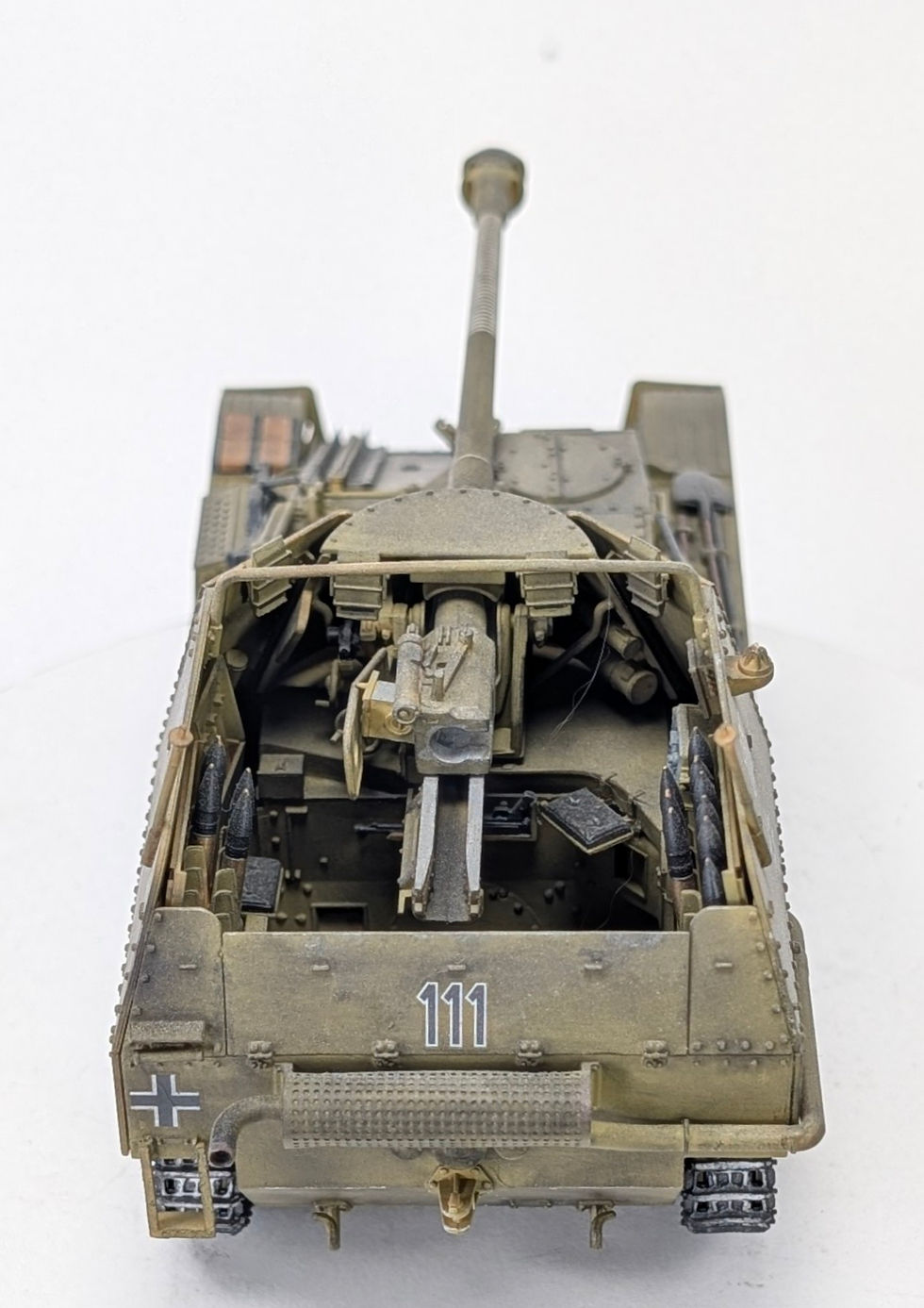
The Ausf. M was developed to improve upon earlier Marder III variants by relocating the engine to the center of the chassis and moving the fighting compartment to the rear. This arrangement reduced the vehicle's profile, improved ammunition storage, and provided a more practical fighting position for the crew. Although the open superstructure still offered limited protection from artillery fragments and air attack, the combination of excellent firepower, mechanical reliability, and relatively low production cost ensured the Marder III Ausf. M remained in frontline service through the final stages of the war.
German Brummbär
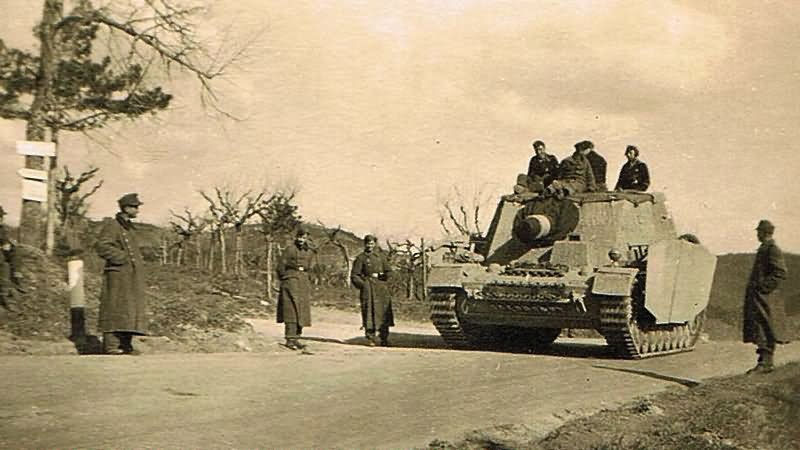
The Brummbär, officially designated the Sturmpanzer IV, was a heavily armored German assault gun designed to provide close-range fire support during urban combat and assaults against fortified positions. Built on the Panzer IV chassis and armed with a powerful 15 cm StuH 43 howitzer, it was capable of demolishing bunkers, buildings, and defensive strongpoints with a single high-explosive shell. The vehicle saw extensive service on both the Eastern and Western Fronts from 1943 onward.

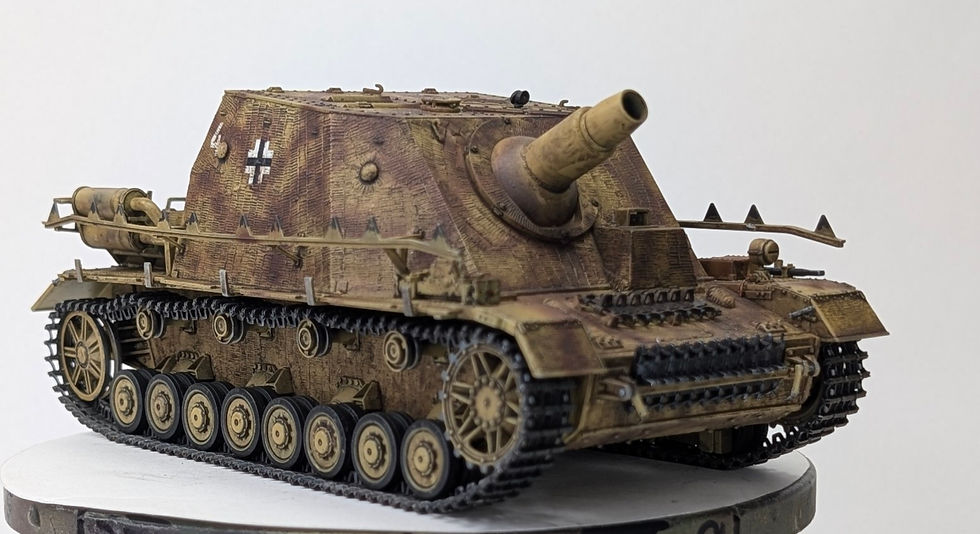

Combat during the Battle of Stalingrad highlighted the need for a heavily armored assault vehicle capable of supporting infantry in urban warfare. Engineers mounted the 150 mm howitzer in a thickly armored casemate built upon the proven Panzer IV chassis. Although the massive weapon placed considerable strain on the suspension and transmission of early vehicles, later production models incorporated numerous mechanical improvements. The Brummbär proved highly effective in its intended assault role and remained in service until the end of the war.


Historcial and Walkaround Photos
German Nashorn
The Nashorn ("Rhinoceros") was a German self-propelled tank destroyer designed to engage enemy armor at extreme ranges. Built on the Geschützwagen III/IV chassis, it mounted the powerful 8.8 cm PaK 43/1 L/71 gun in a lightly armored, open-topped fighting compartment. Despite its limited protection, the Nashorn's exceptional firepower enabled it to destroy virtually every Allied tank encountered during the latter half of the war.


As increasingly capable Soviet tanks entered service, Germany required a mobile platform capable of carrying the new high-velocity 88 mm anti-tank gun. Engineers combined components from the Panzer III and Panzer IV chassis to create the Geschützwagen III/IV, providing a stable platform for the formidable PaK 43/1. The resulting vehicle emphasized long-range firepower over armor protection, relying on concealment and distance rather than heavy armor for survival. The Nashorn remained an effective tank destroyer until the end of the war.


Historcial and Walkaround Photos
German Ferdinand
The Ferdinand was a German heavy tank destroyer developed to counter heavily armored Soviet tanks at long range. Built on the unused chassis originally designed by Porsche for the Tiger tank competition, it mounted the formidable 8.8 cm PaK 43/2 L/71 gun in a heavily armored casemate. Entering combat during the Battle of Kursk in 1943, the Ferdinand possessed exceptional firepower and frontal protection but suffered from mechanical problems and limited close-defense capability.


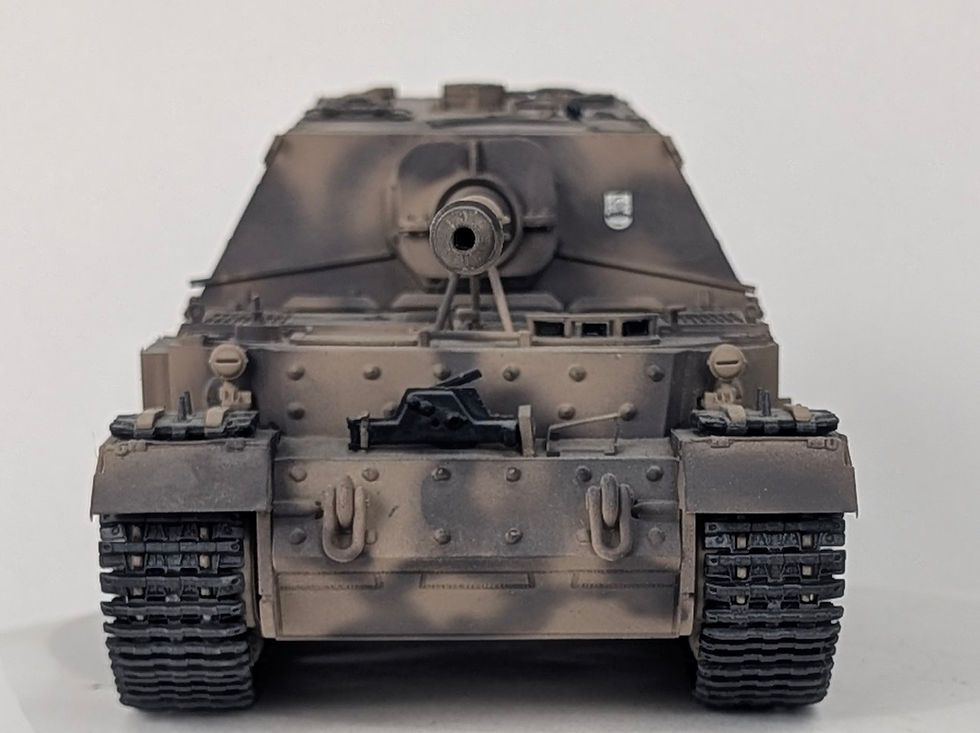
Following the selection of the Henschel design for the Tiger I, nearly one hundred completed Porsche chassis were converted into heavy tank destroyers rather than being scrapped. Engineers installed the long-barreled 88 mm PaK 43/2 gun in a fixed superstructure protected by up to 200 mm of frontal armor. Although the vehicle proved highly effective against enemy armor at long range, the absence of a hull machine gun and recurring mechanical issues reduced its battlefield effectiveness. Surviving vehicles were later upgraded with improved commander's cupolas and hull machine guns, after which they were redesignated Elefant.


Historcial and Walkaround Photos
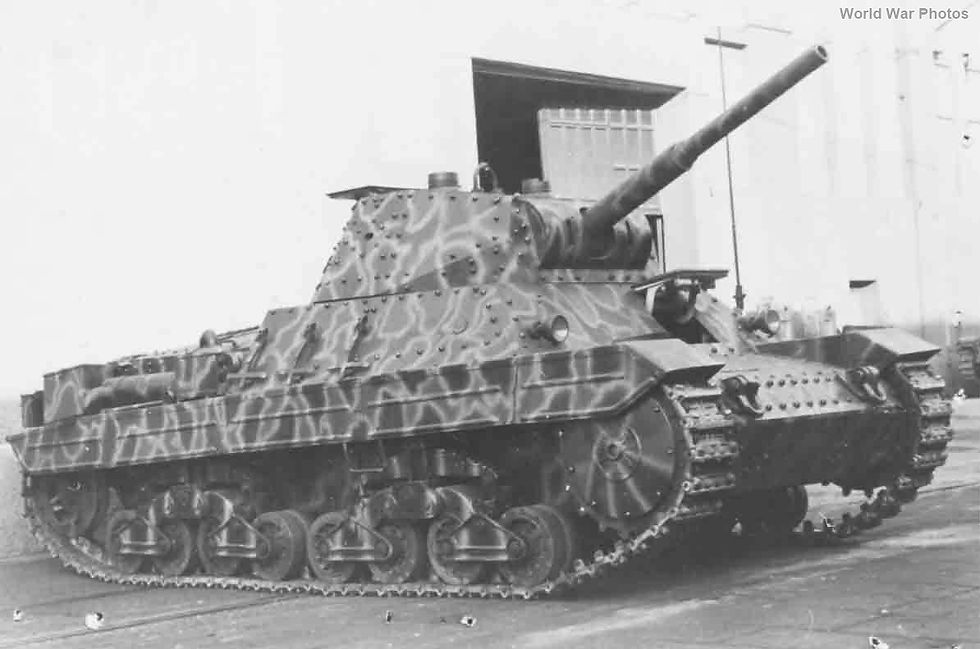
Italian P40 Carro Armato
The P40 Carro Armato was Italy's most advanced and heavily armed production tank of the Second World War. Designed to counter increasingly capable Allied armor, it combined sloped armor with a 75 mm main gun, bringing Italian tank design closer to contemporary German and Soviet standards. Although it represented a significant improvement over earlier Italian medium tanks, the P40 entered production too late and in too few numbers to influence the outcome of the war.


Development of the P40 began in response to combat experience in North Africa and reports on the performance of the Soviet T-34. Italian engineers designed a larger, better-protected tank equipped with a 75 mm gun and torsion-bar suspension. Production delays caused by industrial limitations and the Italian Armistice of 1943 prevented large-scale deployment. Most completed vehicles were taken over by Germany and served with Wehrmacht units in northern Italy, often powered by gasoline engines due to shortages of the intended diesel powerplants.