Interwar
1936
World War I
German Neubaufahrzeug
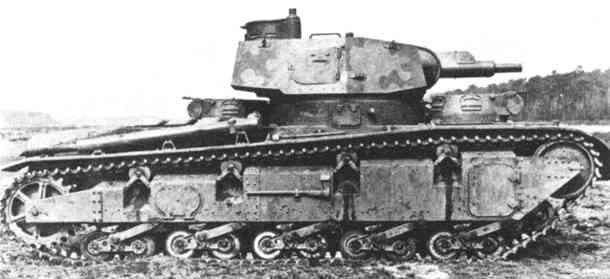
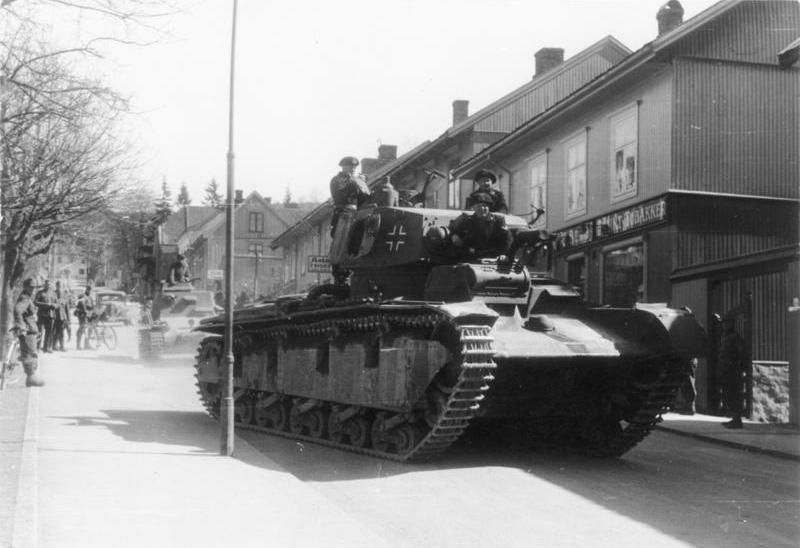
The Panzerkampfwagen Neubaufahrzeug was Germany's ambitious attempt to create a heavy multi-turret tank during the early years of rearmament. Although only a handful were built, the vehicle symbolized a period when military planners believed multiple weapons could provide superior battlefield flexibility. In reality, its complexity and size quickly rendered the concept obsolete, making it more significant as an experimental milestone than as a combat vehicle.


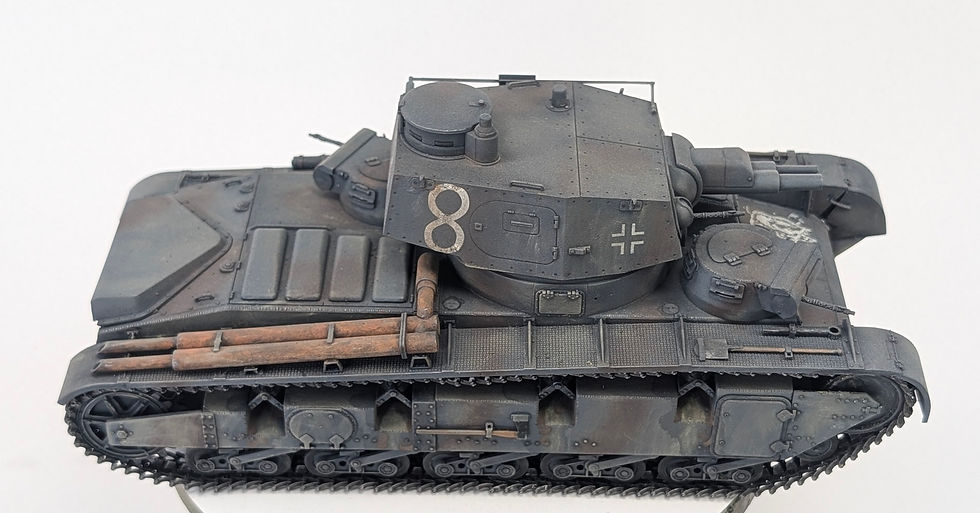
During the early 1930s, German designers explored heavy tank concepts inspired by similar international experiments, particularly British and Soviet multi-turret designs. The Neubaufahrzeug featured a main turret mounting both a 75 mm and 37 mm gun, supplemented by additional machine-gun turrets. Testing revealed that the design was expensive, mechanically complicated, and tactically inefficient compared with emerging single-turret tanks. Although a few vehicles saw limited service in Norway, the project confirmed that future armored warfare would favor simpler, faster, and more specialized designs

Historcial and Walkaround Photos
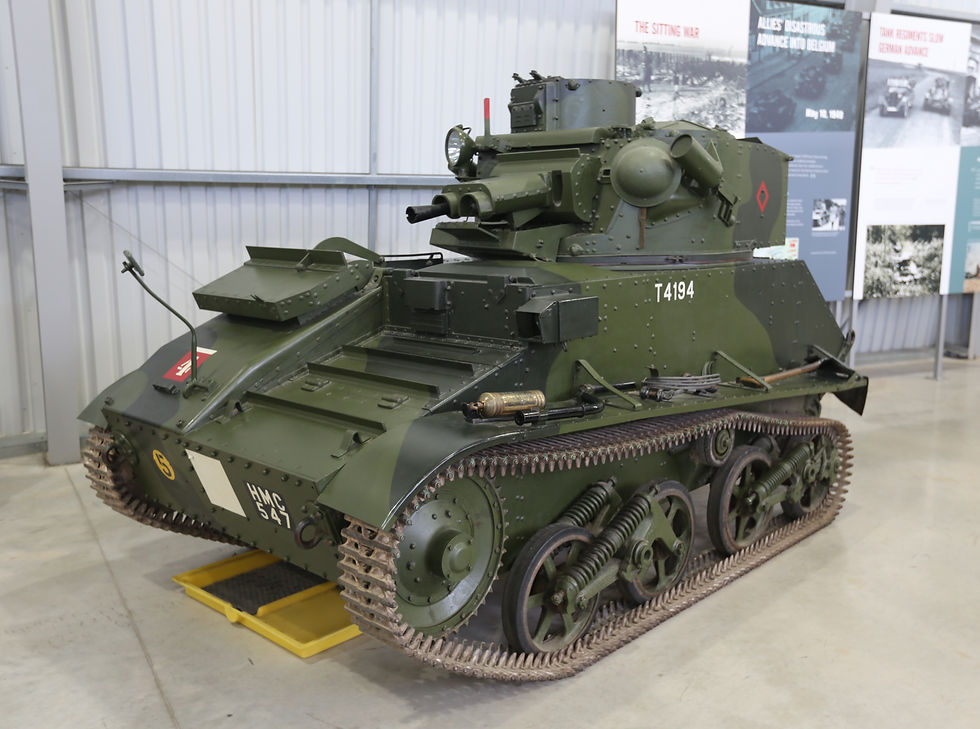
British Vickers Light Tank Mk. VI B
The Vickers Light Tank Mk. VI B represented the culmination of Britain's interwar light tank development and was the most numerous British tank at the outbreak of World War II. Fast and reliable, it excelled in reconnaissance and colonial policing missions, where mobility was more important than heavy armament. Its machine-gun armament, however, limited its effectiveness against enemy armor during large-scale European warfare.
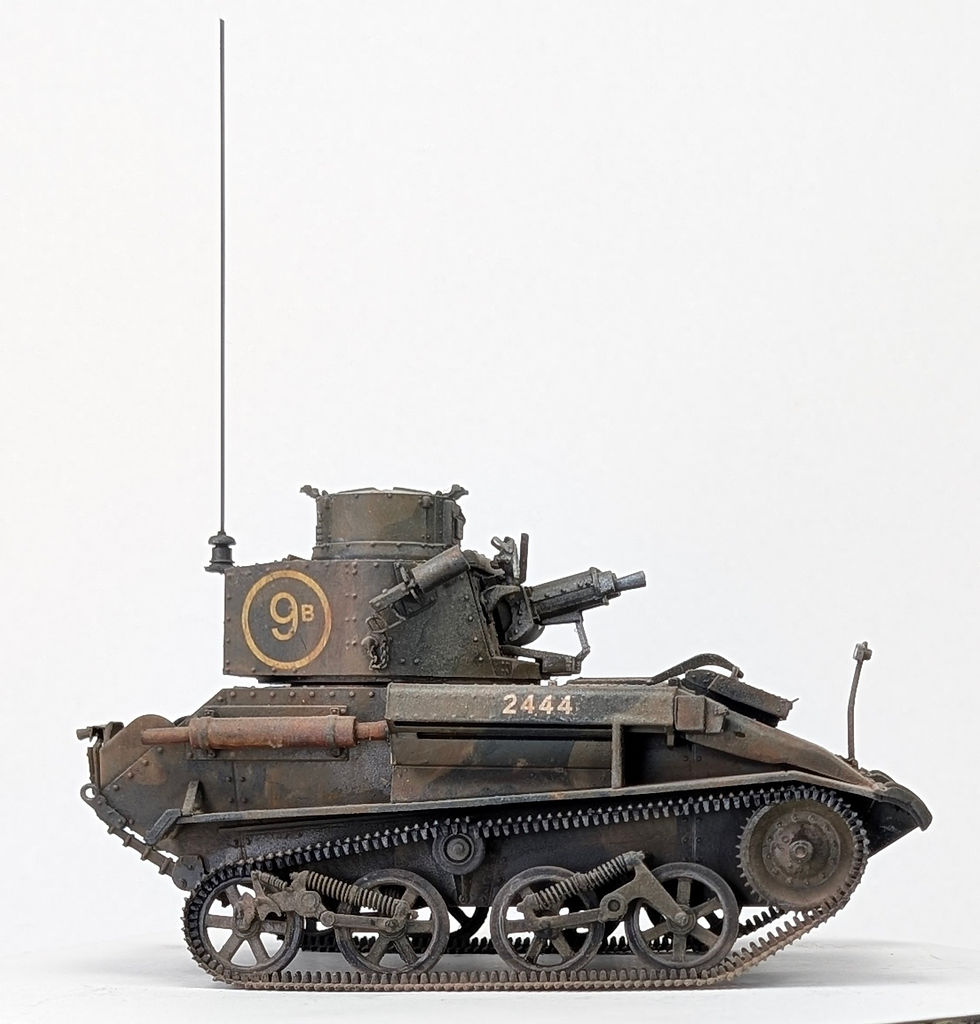
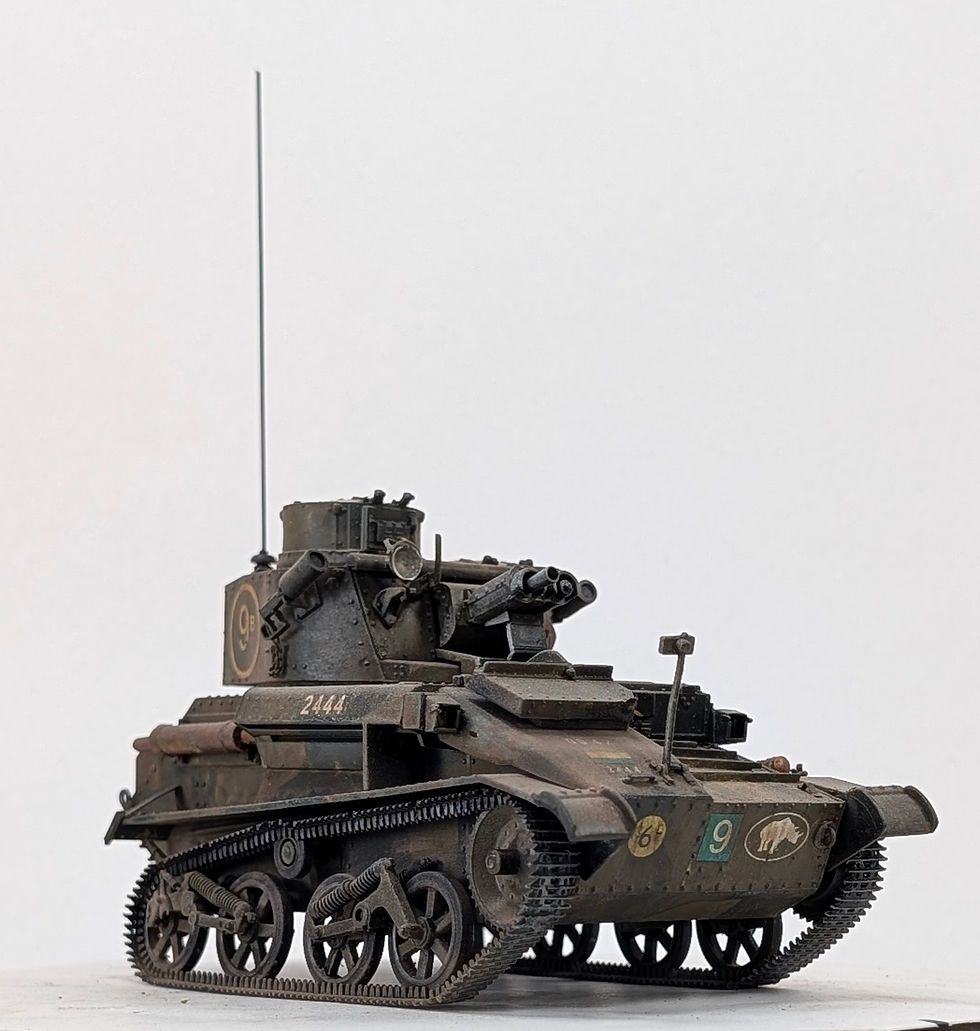
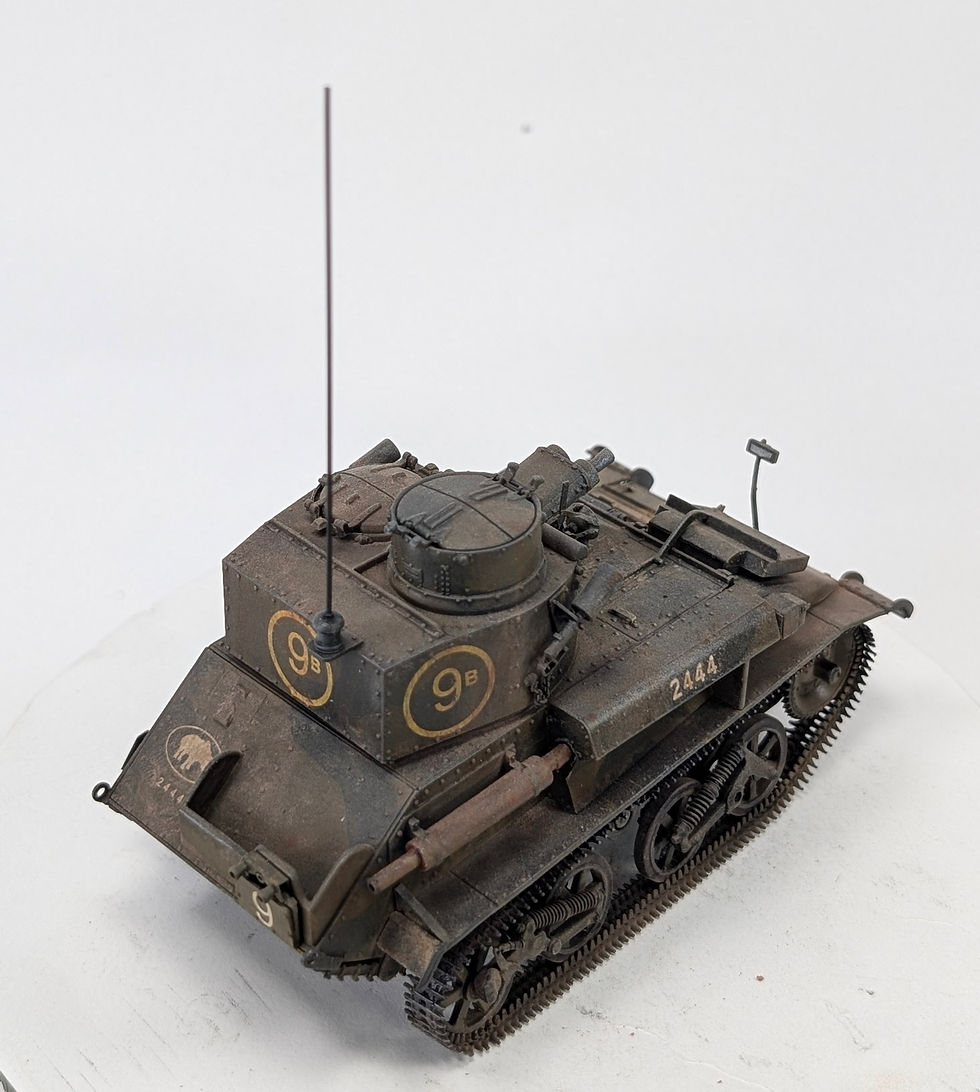
Throughout the 1920s and 1930s, British doctrine emphasized light tanks for scouting and communication rather than direct engagement with enemy armor. The Mk. VI B incorporated improvements in crew comfort, reliability, and mechanical performance while maintaining this philosophy. Experience during the early campaigns of World War II demonstrated that reconnaissance vehicles required greater firepower and protection, influencing the development of more capable British armored designs.


Historcial and Walkaround Photos
Japanese Type 95 Ha-Go
The Type 95 Ha-Go became the backbone of Japan's armored forces during the late 1930s and early years of World War II. Fast, dependable, and well suited for operations across Asia's varied terrain, it performed effectively in China and Southeast Asia. However, its light armor and modest armament left it increasingly vulnerable as Allied tank technology advanced.
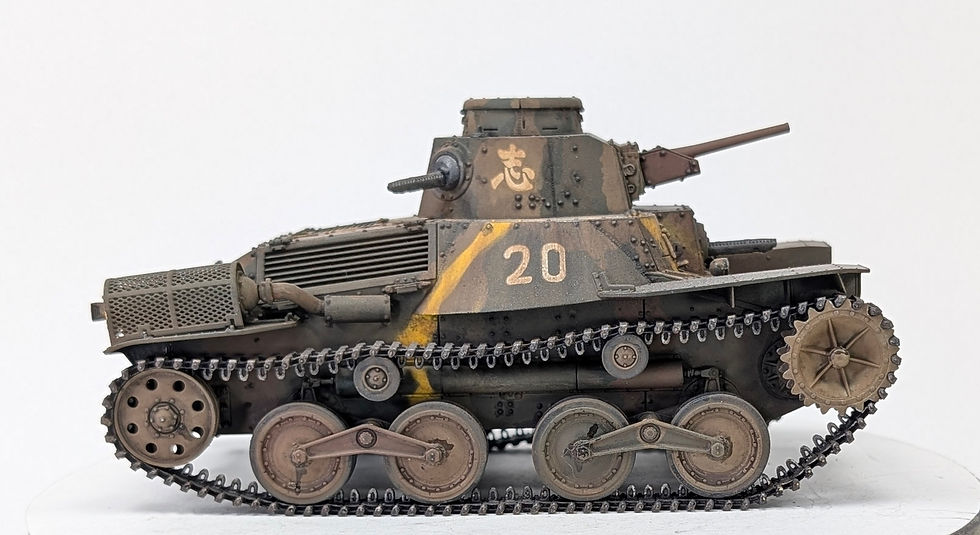
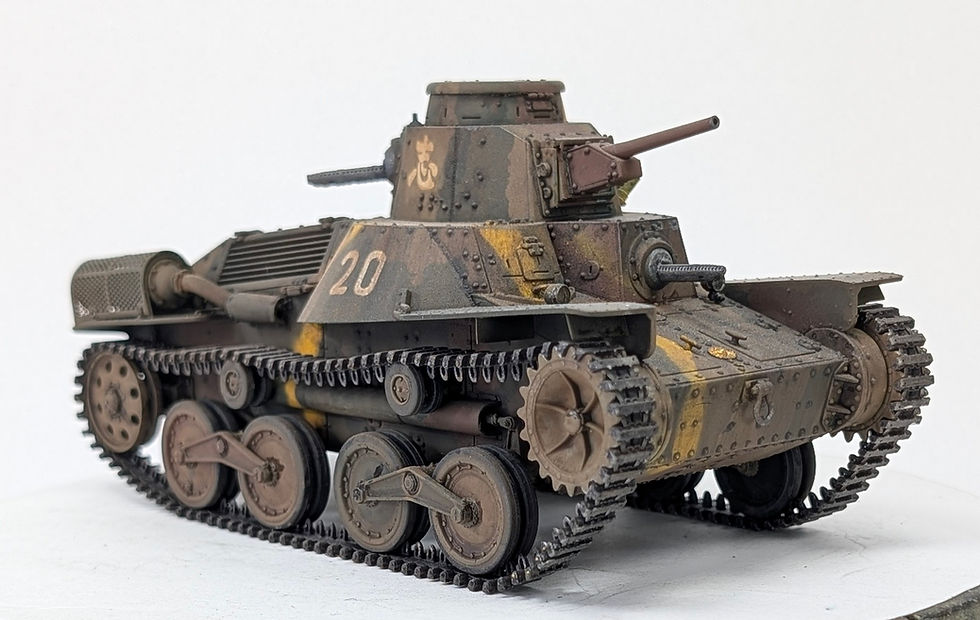

Japanese military planners required a vehicle capable of supporting infantry while operating over long distances in regions where infrastructure was often poor. Engineers emphasized mobility, mechanical simplicity, and the use of a diesel engine that improved fuel economy while reducing the risk of fire. The resulting design reflected Japan's strategic priorities, favoring operational flexibility over heavy armor, and remained in production throughout much of the war despite its growing obsolescence.
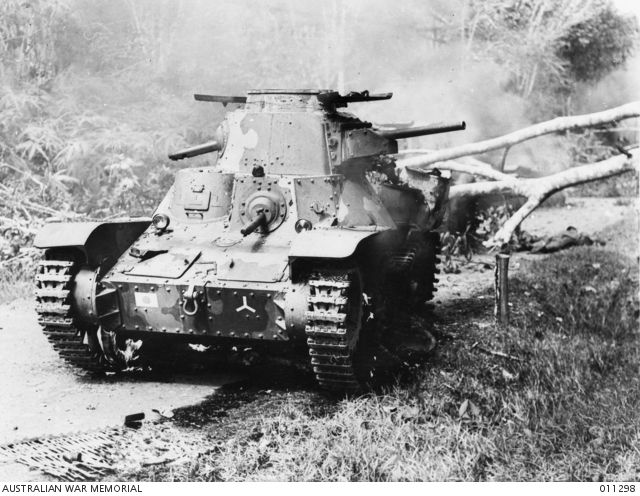
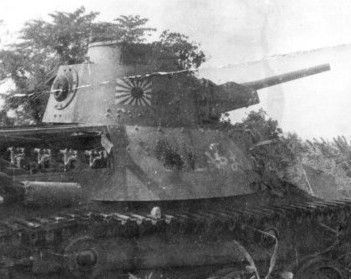

Historcial and Walkaround Photos
Czechoslovak Panzer 35(t)
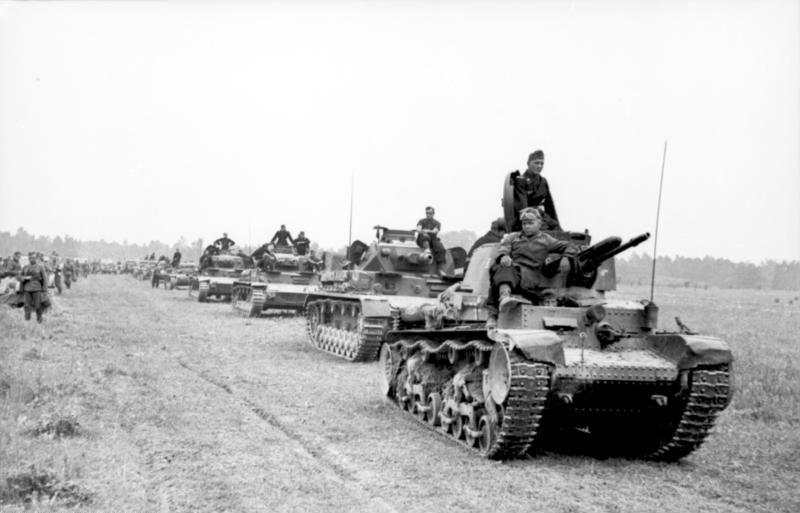
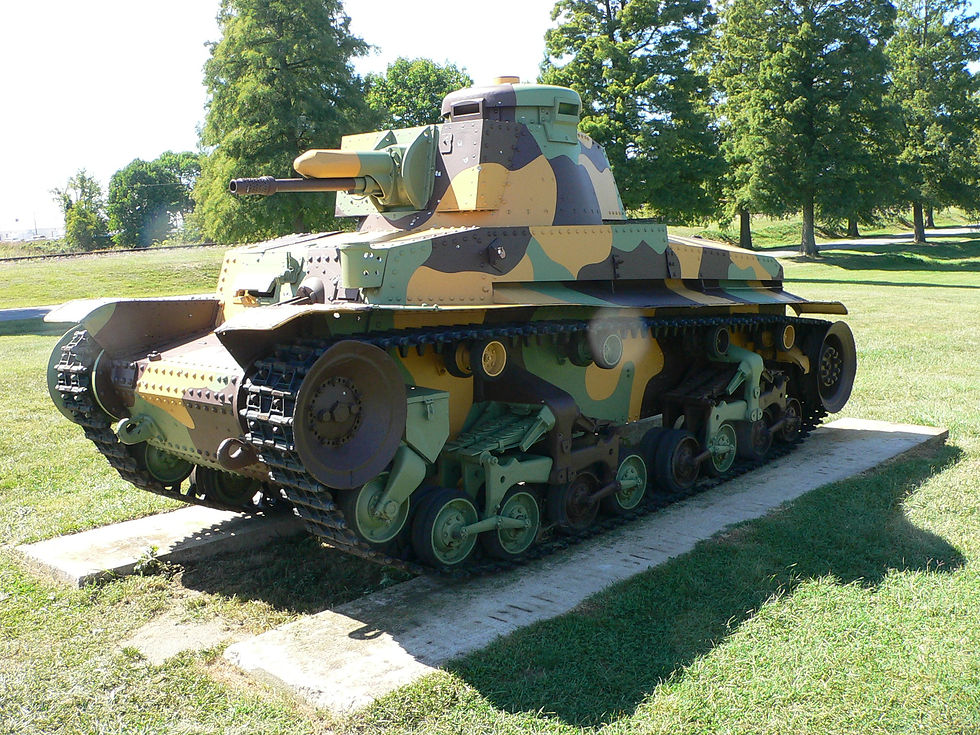
Originally developed for the Czechoslovak Army as the LT vz. 35, the Panzer 35(t) became one of Germany's most valuable acquisitions following the occupation of Czechoslovakia. Well armed, well protected, and mechanically sophisticated, it significantly strengthened the Wehrmacht during the campaigns in Poland and France. For several years, it represented one of Germany's best available light tanks.
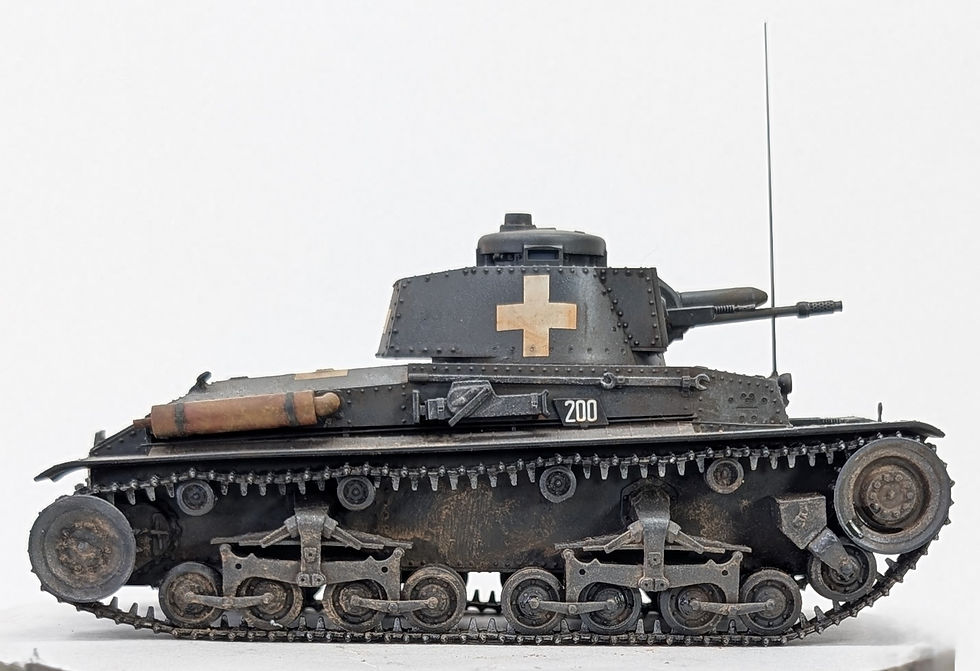

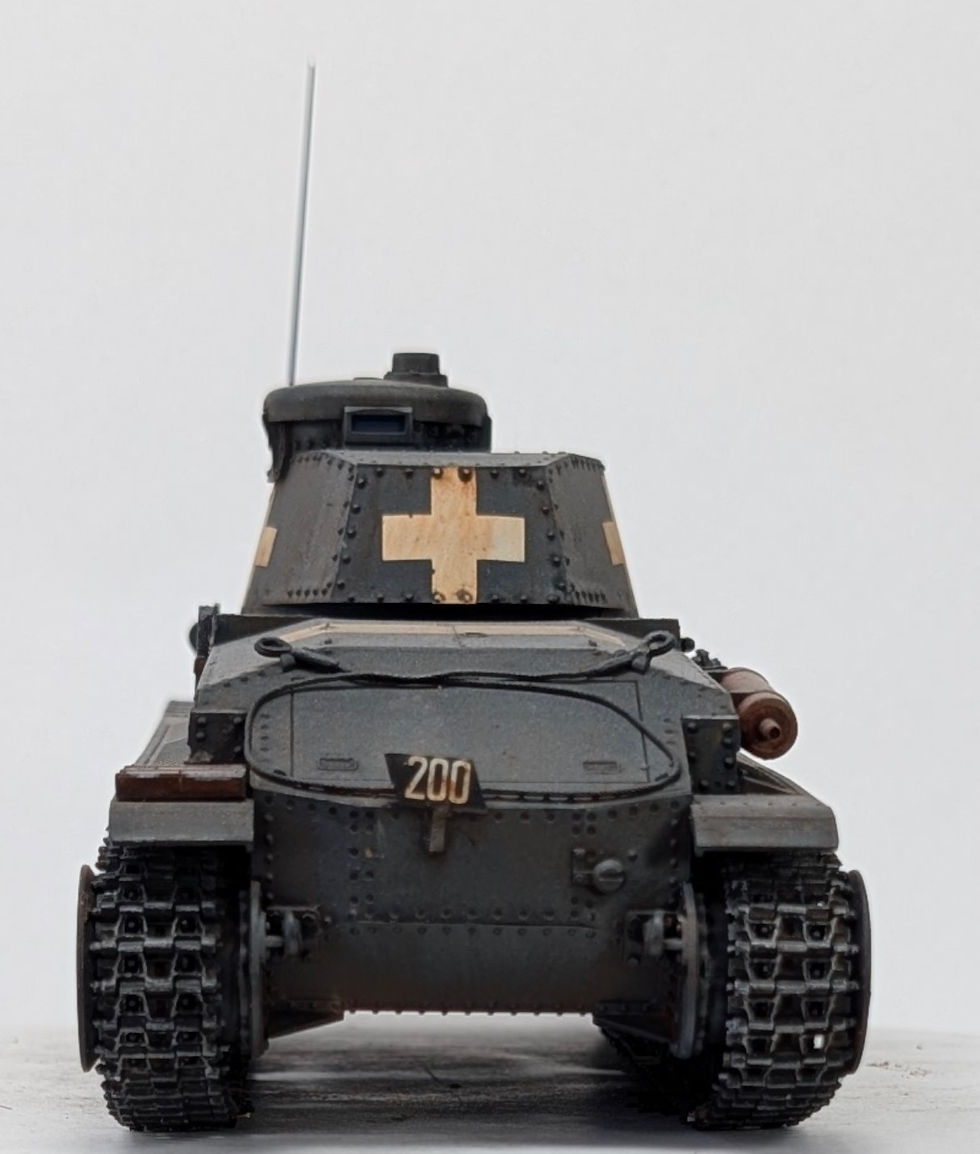
Designed by the Czech arms industry during the mid-1930s, the LT vz. 35 reflected advanced engineering and a balanced approach to firepower, protection, and mobility. After Germany annexed Czechoslovakia in 1939, the vehicles were incorporated into German service and redesignated Panzer 35(t), with the "t" indicating their Czech origin. Although effective in early campaigns, its complex pneumatic control system proved unreliable in severe winter conditions, contributing to its eventual withdrawal from frontline service.

Historcial and Walkaround Photos
German Panzer II B
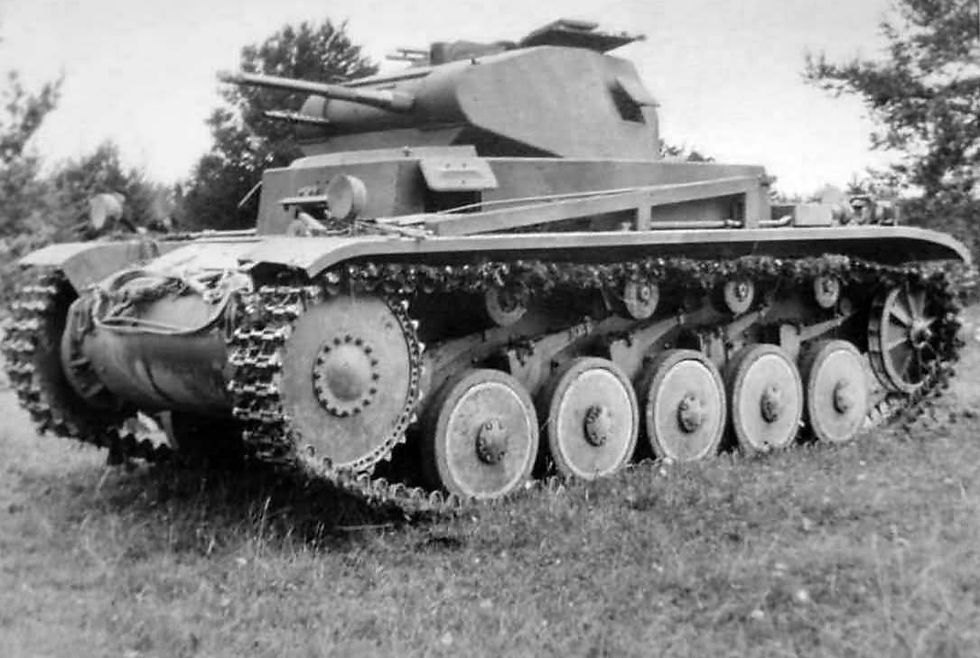
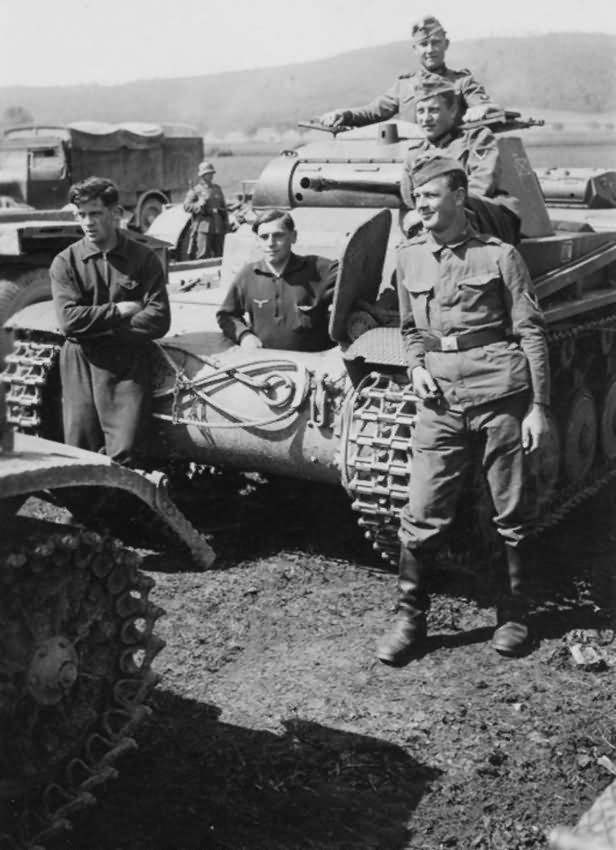
The Panzer II Ausf. B represented an important step in Germany's rapid expansion of its armored forces during the mid-1930s. Originally intended as a temporary solution until more powerful tanks became available, it nevertheless formed a significant portion of the early Panzer divisions. Armed with a 20 mm cannon and supported by good mobility, it proved effective against lightly armored vehicles while providing invaluable experience for Germany's developing armored doctrine.

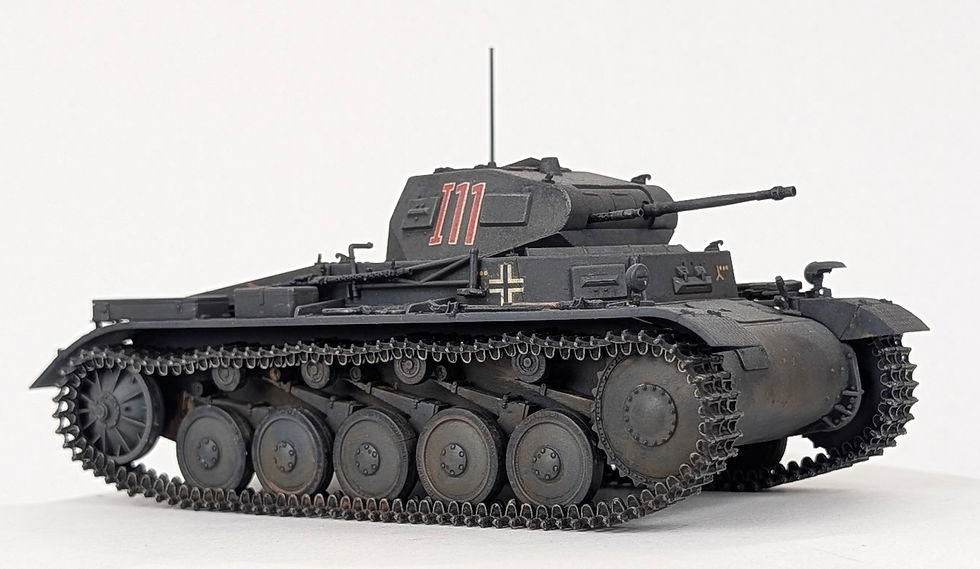
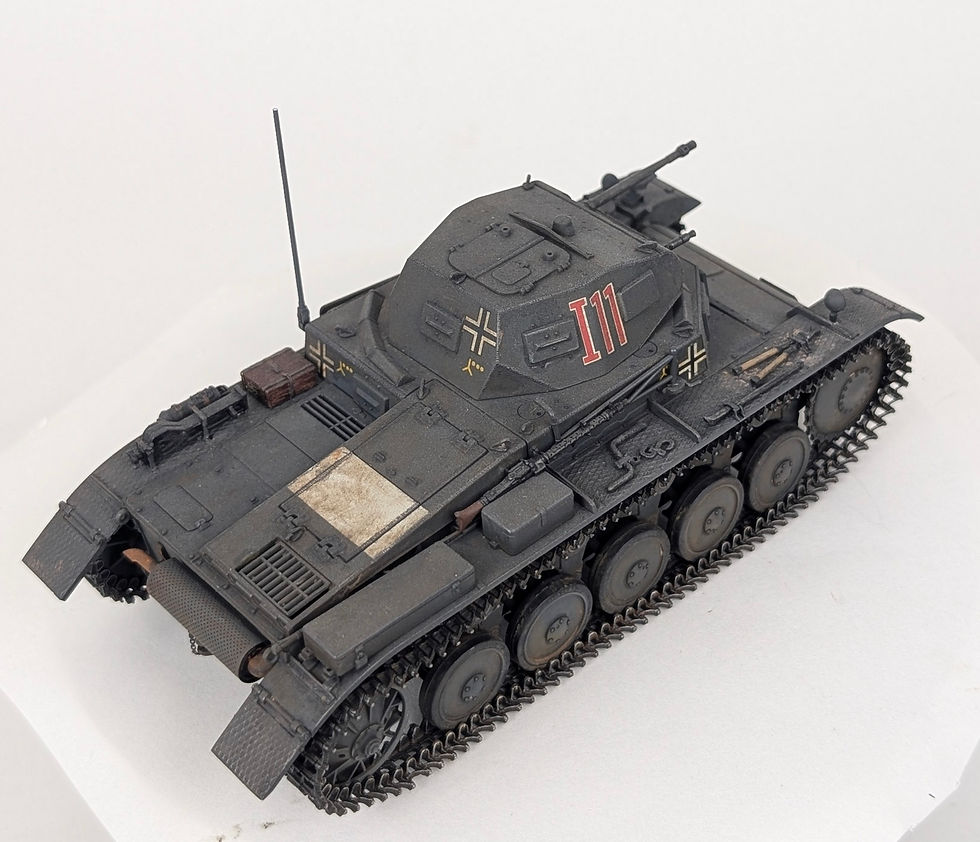
Germany's ambitious rearmament program progressed faster than production of the Panzer III and Panzer IV, creating an immediate need for a readily available combat vehicle. The Ausf. B introduced mechanical improvements that increased reliability while retaining the proven layout of earlier models. Although only a transitional design, it helped establish the operational experience that would later define German armored warfare during the opening campaigns of World War II.

Historcial and Walkaround Photos
French Somua S35
The Somua S35 was one of the most advanced medium cavalry tanks of the late 1930s and is often regarded as one of the finest tanks in the world at the outbreak of World War II. Combining excellent armor, a powerful 47 mm gun, and impressive mobility, it outmatched many contemporary opponents in individual combat. Although its battlefield performance demonstrated exceptional engineering, organizational and doctrinal weaknesses prevented France from fully exploiting its advantages.

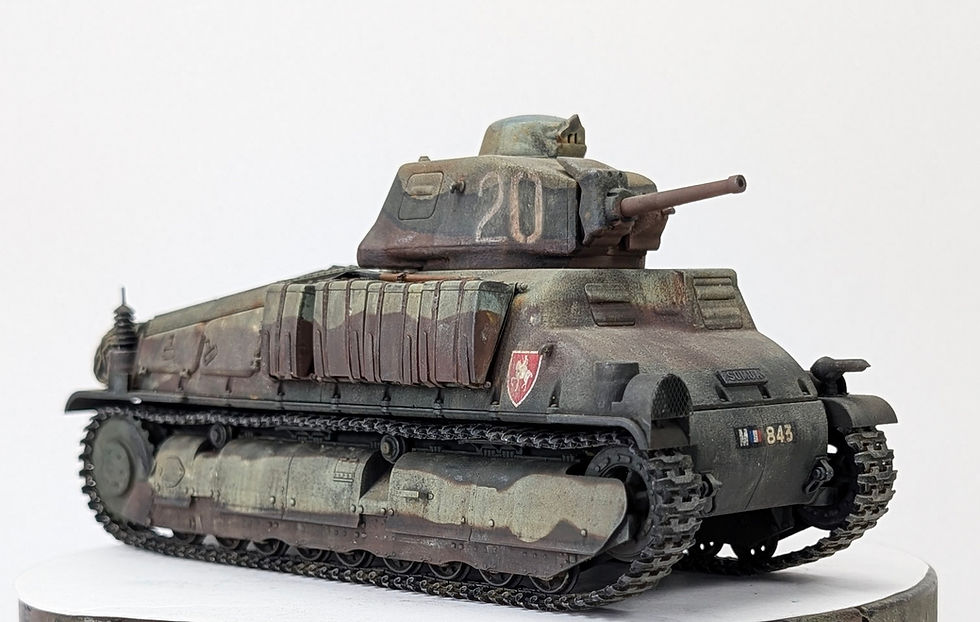
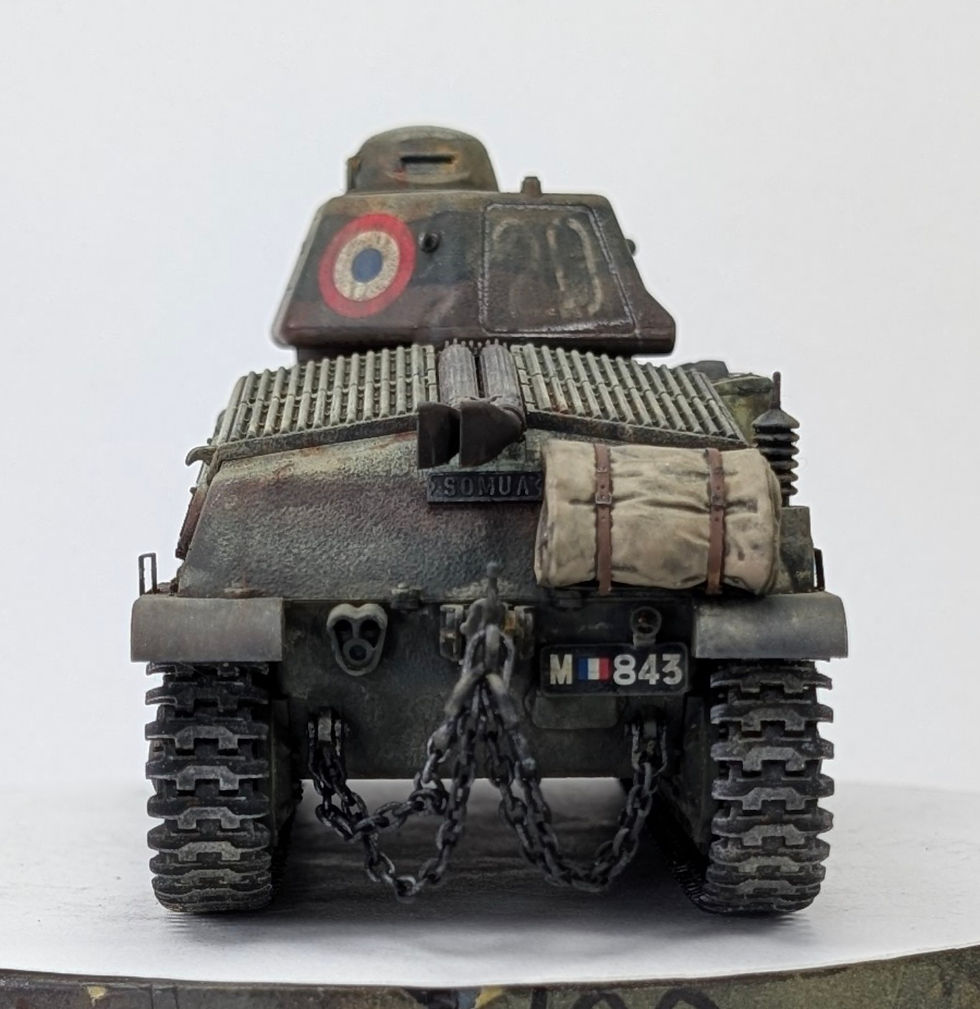
Developed to meet the French cavalry's requirement for a fast armored vehicle capable of offensive operations, the S35 entered service in 1936. Engineers employed large cast armor sections that provided outstanding protection while maintaining a relatively compact profile. The vehicle's excellent SA35 gun could defeat most contemporary tanks, but the one-man turret required the commander to command, aim, load, and fire the weapon, greatly increasing crew workload. Despite its technical excellence, production remained limited, and the design's complexity hindered maintenance during combat.


Historcial and Walkaround Photos
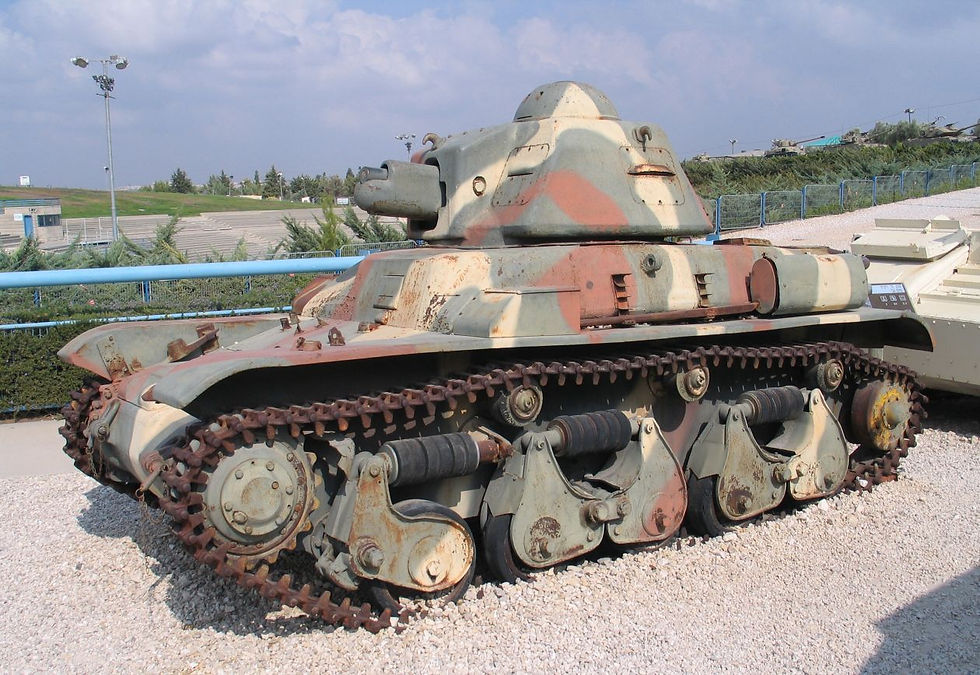
French Renault R35
Introduced in 1936, the Renault R35 embodied France's belief that infantry tanks should survive enemy fire while advancing alongside foot soldiers. Compact, heavily armored, and mechanically simple, it possessed some of the thickest armor found on any light tank of its time. Its low speed and short-barreled 37 mm gun limited its offensive capabilities, but its durability made it a formidable defensive vehicle. The R35 became one of the most widely produced French tanks before World War II and continued to serve under several nations after the fall of France.
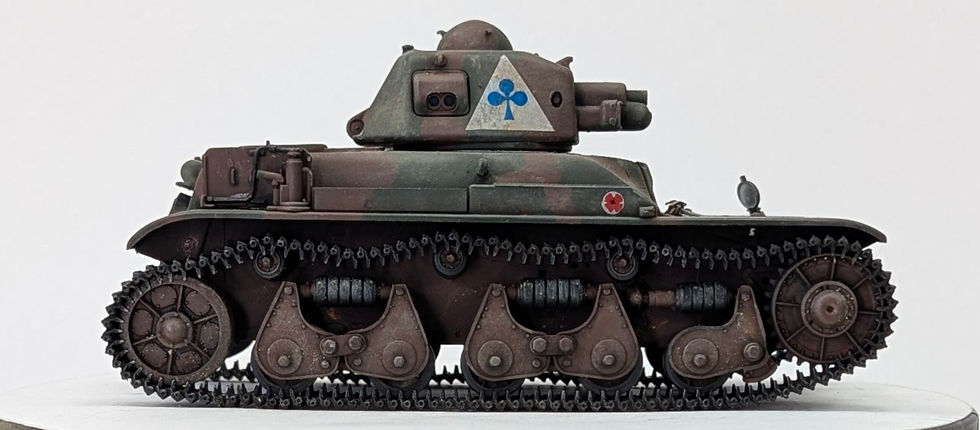

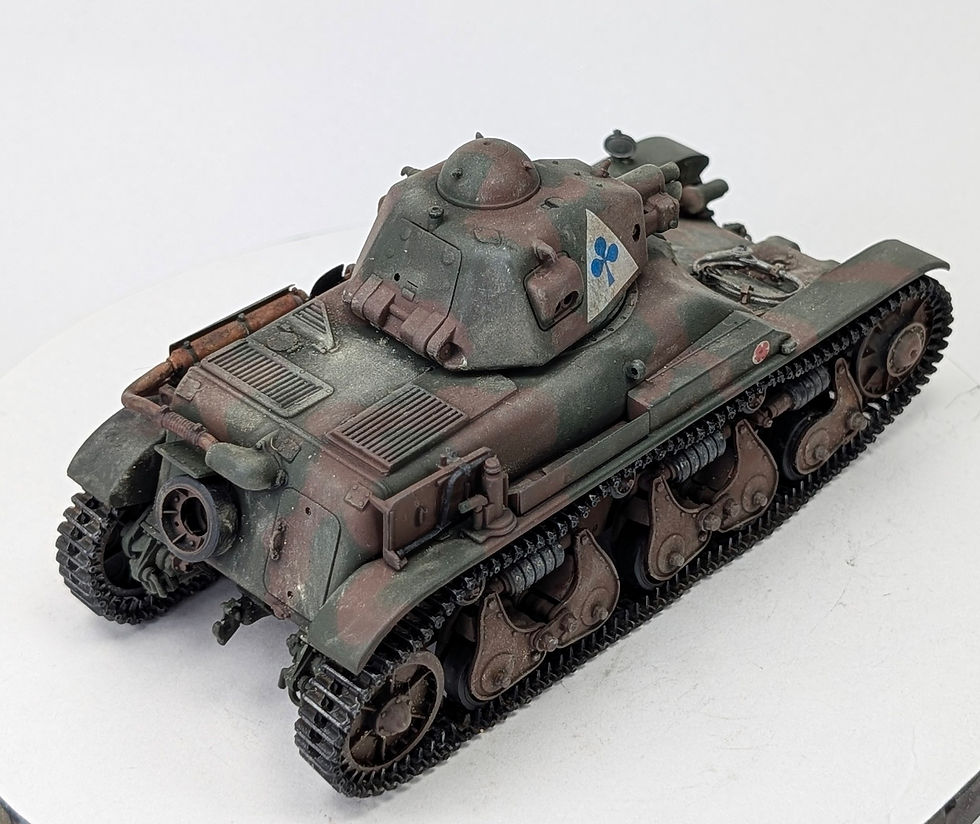
The French Army sought a modern replacement for the aging Renault FT, whose revolutionary design had dominated the First World War but was becoming obsolete. Renault responded with a vehicle emphasizing protection over mobility, reflecting French doctrine that tanks existed primarily to support infantry assaults. The use of cast armor provided excellent protection for its size, though the two-man crew forced the commander to perform multiple duties simultaneously. While later improvements attempted to address some shortcomings, the R35 remained a product of a doctrine that valued survivability above speed and firepower.