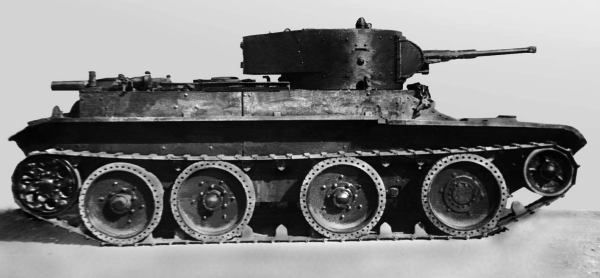
Interwar
1935
Soviet T-26 Mod. 1935
The T-26 Model 1935 represented the peak development of the Soviet Union's widely produced infantry support tank before more modern designs emerged. Combining improved armor protection with a redesigned turret carrying a 45 mm gun, it became one of the most heavily armed light tanks of its era. Produced in large numbers, the T-26 served as the backbone of Soviet armored forces during the late 1930s and saw combat in Spain, the Far East, Finland, and the opening stages of World War II.


The T-26 evolved from the British Vickers 6-Ton tank, which the Soviet Union purchased and adapted for domestic production in 1931. Early twin-turret versions quickly proved obsolete, leading to the adoption of a single larger turret with a powerful 45 mm cannon. The 1935 model introduced a redesigned cylindrical turret and incremental improvements to armor and equipment, reflecting Soviet efforts to modernize an already successful design while maintaining mass production.


Historcial and Walkaround Photos
Polish 7-TP
The 7TP was Poland's most advanced indigenous tank and one of the finest light tanks in Europe before World War II. Although derived from the British Vickers 6-Ton, it incorporated significant improvements, including a diesel engine, enhanced armor, and a highly effective 37 mm anti-tank gun. Despite being produced in relatively small numbers, the 7TP demonstrated excellent combat capability during the German invasion of Poland in 1939.


Development of the 7TP began as Poland sought to improve upon the Vickers design rather than simply manufacture it under license. Engineers replaced the gasoline engine with a more reliable diesel powerplant, strengthened armor protection, and eventually adopted a single turret armed with a Bofors 37 mm gun. These modifications transformed the original concept into a distinctly Polish design that exceeded many contemporary light tanks in firepower and overall performance.


Historcial and Walkaround Photos
German Panzer I B
The Panzer I Ausf. B was an improved version of Germany's first mass-produced tank and played a critical role in rebuilding the nation's armored forces during the 1930s. Although armed only with twin machine guns and lightly armored, it provided invaluable experience in crew training, unit organization, and mechanized doctrine. The vehicle served extensively in Spain, Poland, France, and the early campaigns of World War II before being replaced by more capable tanks.

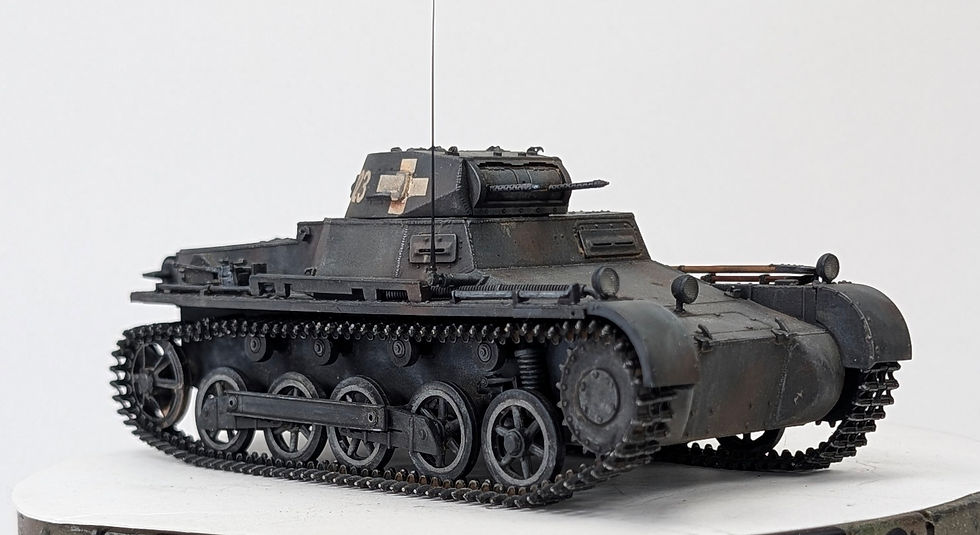

The Ausf. B was developed to correct the shortcomings of the earlier Ausf. A, particularly its underpowered engine and limited mobility. Engineers lengthened the hull, added an extra road wheel, and installed a more powerful Maybach engine, improving reliability and cross-country performance. While its armament remained unchanged, these mechanical improvements made the Panzer I a more practical vehicle for training and operational service, helping lay the foundation for Germany's future armored successes.


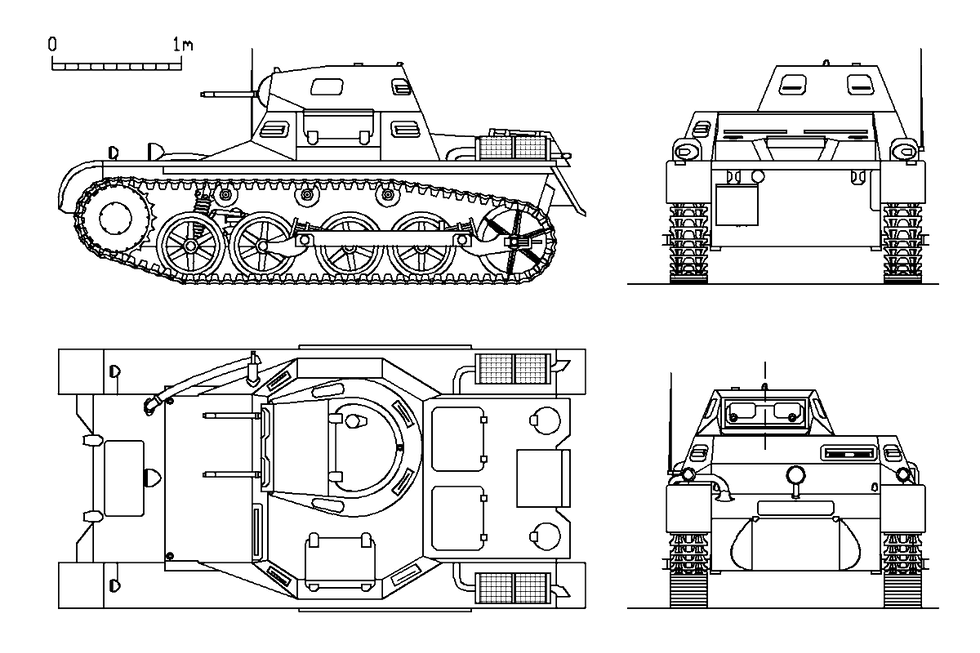
Historcial and Walkaround Photos
Japanese Type 94 TK
The Type 94 TK was a light tankette designed to provide reconnaissance and infantry support for the Imperial Japanese Army. Compact, mechanically reliable, and well suited to difficult terrain, it accompanied infantry units throughout China and later served across Southeast Asia and the Pacific. Though lightly armored and armed, the Type 94 demonstrated the Japanese preference for mobility and operational flexibility during the early stages of mechanized warfare.


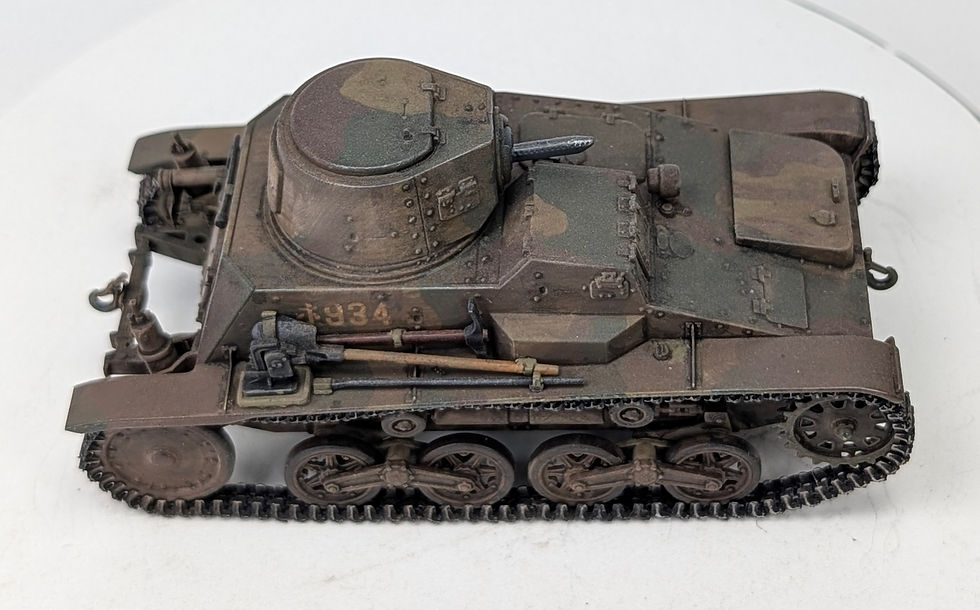
Development of the Type 94 TK began after the Japanese Army recognized the need for a small tracked vehicle capable of transporting supplies and conducting reconnaissance while keeping pace with advancing infantry. The resulting design featured a simple suspension, a rear-mounted engine, and a rotating turret armed with a machine gun. Continued improvements to reliability and mobility made the Type 94 a successful support vehicle, though its limited armor and firepower restricted its effectiveness against more heavily armed opponents.


Historcial and Walkaround Photos
Soviet BT-7 Mod. 1935
The BT-7 Model 1935 represented the final and most refined stage of the Soviet Union's high-speed "fast tank" series. Designed for rapid maneuver and deep penetration operations, it combined exceptional speed with a powerful 45 mm gun, making it one of the fastest and best-armed light tanks of its time. The BT-7 served extensively during the late 1930s and early years of World War II, influencing later Soviet designs, including the legendary T-34.


The BT-7 evolved from earlier BT-series tanks that were based on the American Christie suspension system, which provided outstanding mobility over rough terrain. Introduced in 1935, it incorporated a new welded hull, an improved engine, and a redesigned turret while retaining the proven 45 mm main gun. These refinements increased reliability and combat effectiveness, demonstrating Soviet confidence in high-speed armored operations and providing valuable experience for the development of future medium tanks.